 Tom Bradley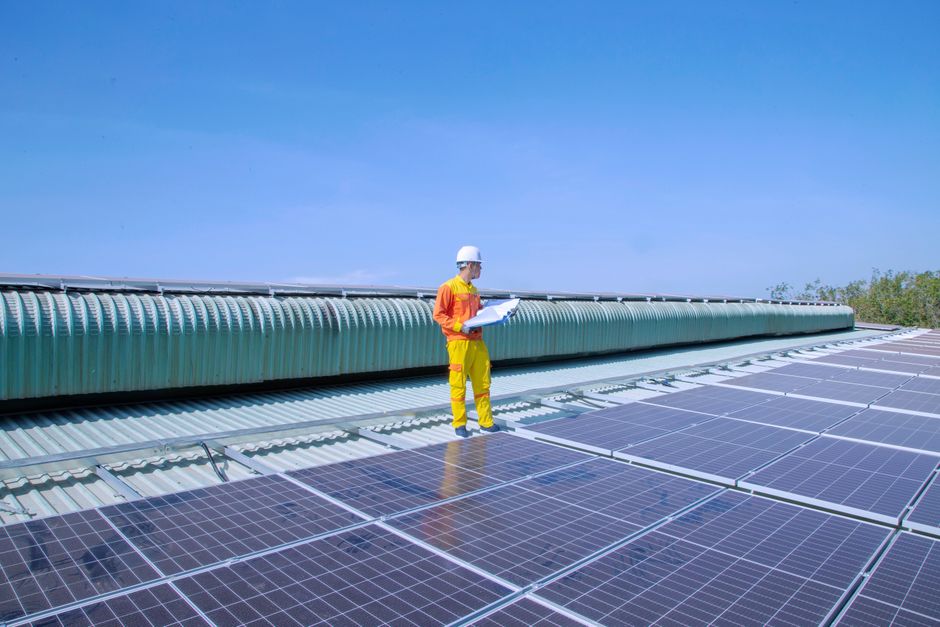
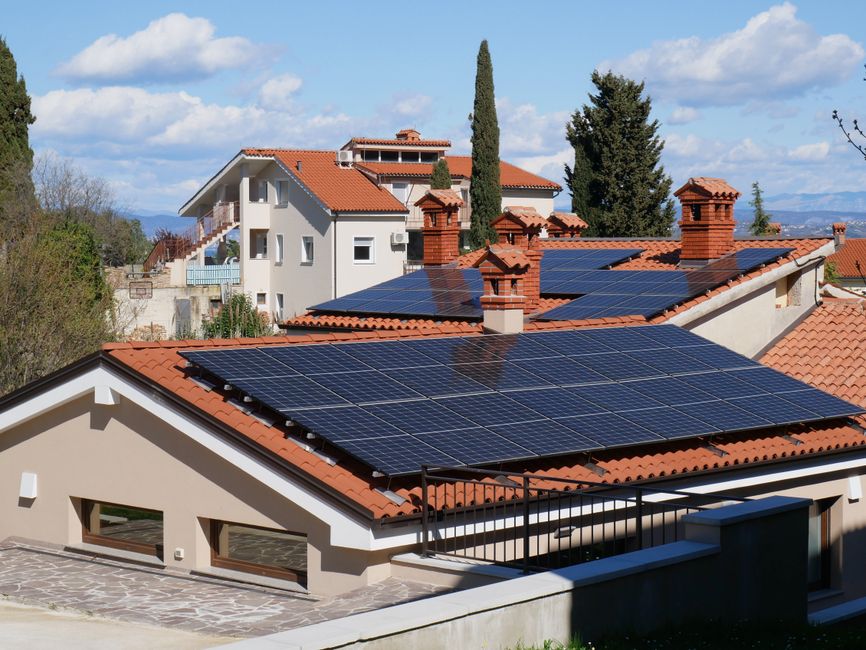
A homeowner I know in Sarasota called me last spring, frustrated. He’d been waiting eleven weeks for a solar permit. His neighbor in Tampa got the same permit in four days. Same state, same year, completely different experience. That gap is exactly what Florida’s legislature decided to fix, and the timing couldn’t be more interesting, because while the rest of the country is watching residential solar contracts dry up, Florida just became the fastest-growing home solar market in the nation.
Here’s the short version of a complicated moment: the federal Section 25D residential solar tax credit, the one that knocked 30% off your system cost, expired on December 31, 2025. Gone. BloombergNEF and SEIA both projected the national residential market would shrink 21% in 2026 as a result, and that’s exactly what’s happening. The SEIA Q2 2026 Market Insight report didn’t pull punches, citing the expiration of the tax credit, the bankruptcy of the second-largest national solar installer, and a squeeze in tax equity availability as a trifecta of headwinds battering the broader market. Florida, somehow, is heading the other direction.
According to BloombergNEF reporting published July 28, 2026, Florida added over 110 megawatts of residential solar in Q1 2026 alone and led the nation with approved permits for at least 450 megawatts worth of home solar projects in the first 13 weeks of the year, a fourfold increase over the same period in the prior two years. That’s not a rounding error. That’s a policy outcome.
- Florida added 110MW of residential solar in Q1 2026, a fourfold permit increase year-over-year.
- HB 683 requires permits within 5 business days or they auto-issue, effective July 1, 2025.
- The national residential solar market is projected to shrink 21% in 2026 after the ITC expired.
- Soft costs like permitting once represented ~30% of a typical $31,000 installation.
- Florida is now the fastest-growing state for home solar, per BloombergNEF, July 2026.
What HB 683 Actually Changed
Florida’s HB 683 took effect July 1, 2025, and if you’ve ever dealt with a local building department that lost your paperwork or scheduled an inspection six weeks out, you understand why this matters. The law requires local governments to approve solar permits within five business days. If they don’t, the permit issues automatically. That’s not a soft target or a best practice guideline. It’s a hard deadline with teeth.
The law also allows private and virtual inspections and strips out a lot of redundant paperwork. What most people don’t realize is how much of your solar bill has nothing to do with panels or inverters. Soft costs, meaning permitting fees, inspection scheduling, administrative delays, and related overhead, account for roughly 30% of a typical residential solar installation. On a $31,000 system (the national average), that’s around $9,300 that isn’t buying you a single watt of capacity.
| Cost Component | Approximate Share | On a $31,000 System |
|---|---|---|
| Hardware (panels, inverters, racking) | ~55% | ~$17,050 |
| Labor (installation) | ~15% | ~$4,650 |
| Soft costs (permits, inspections, admin) | ~30% | ~$9,300 |
Cutting permitting timelines from weeks or months down to five days doesn’t eliminate all of that, but it reduces carrying costs for installers, speeds up job scheduling, and lowers the overhead that gets passed to you. Florida’s surge isn’t happening despite the ITC expiration. It’s happening because the state removed friction that was always there, and now that friction is actually visible in the comparison.
Why the National Picture Looks So Different
Helpful resource: Govee WiFi Smart Plug with Energy Monitoring is a top-rated option for this. (As an Amazon Associate this site earns from qualifying purchases.)
I’ve seen a lot of market shifts in this industry, and this one feels different because it’s structural, not cyclical. The 30% federal tax credit was doing a lot of heavy lifting for the economics of home solar. A $31,000 system with the ITC cost the homeowner closer to $21,700 after the credit. Without it, you’re back to sticker price. That’s a real psychological and financial barrier for anyone who was on the fence.
The SEIA Q2 2026 report adds two more problems on top of that. The bankruptcy of the second-largest national installer, a company that had sales reps in big-box stores across the country, left tens of thousands of customers in limbo and made consumers nationally more skeptical about signing with any large solar company. Tax equity availability, which is the financing mechanism that lets installers offer zero-down or low-interest deals, also tightened. When installers can’t offer attractive financing, fewer homeowners sign contracts. It’s a compression from every direction at once.
Florida didn’t escape the ITC expiration. But it offset some of the pain with policy that makes installation cheaper and faster. That’s the lesson here for other states watching from the sidelines.
What This Means If You’re a Florida Homeowner Right Now
If you’re in Florida and you’ve been sitting on a solar decision, the permitting environment is genuinely better than it’s ever been. The five-day permit window means your installer can plan jobs tighter, which means lower overhead for them and, if you negotiate, lower quotes for you. Ask any installer you’re talking to what their current permit-to-install timeline looks like. If they say more than three weeks, either they’re in a jurisdiction with some holdout compliance issues, or they’re not running a tight operation.
What most people also don’t realize is that the installer market right now is competitive in a way that favors buyers. Nationally, volume is down. That means good installers who had full pipelines in 2023 and 2024 are hungry for jobs. In Florida specifically, demand is up, but so is the number of contractors chasing that demand. Get at least three quotes. Check the license at the Florida Department of Business and Professional Regulation. Confirm the contractor pulls their own permits rather than outsourcing to a third-party permit runner, because any problems with a pulled permit come back to you.
Red Flags to Watch in This Market
The post-ITC market created a specific new scam, and I want you to know what it looks like. Some sales reps are still quoting systems with language that implies the tax credit is available or that it’s “coming back.” It is not. As of this writing in July 2026, the Section 25D credit is gone, and there is no legislation passed to restore it. If a rep tells you to “plan around the credit returning,” walk away.
The national installer bankruptcy I mentioned earlier also spawned a secondary problem: warranty orphans. Homeowners whose systems were installed by the bankrupt company now have equipment with no active service agreement. Before you sign with any company, ask specifically who backs the workmanship warranty if the installer closes. The answer should be an insurance-backed warranty or a third-party service agreement, not just “don’t worry, we’ve been in business for years.”
Florida’s boom is real, but booms attract people who want to capitalize on homeowner confusion. The permitting reform removed one layer of bureaucracy. It didn’t remove the need to vet your contractor.
The honest takeaway is that Florida figured out something the rest of the country should have figured out years ago: the technology isn’t what slows down home solar. The paperwork is. If your state’s legislators want to know why Florida is adding megawatts while their constituents are canceling contracts, they can start with a five-business-day permit deadline and work backward from there.
Sources
- Why Florida’s Residential Solar Industry Started 2026 So Strong (July 28, 2026)
- Florida Solar Surge: 110MW Added Despite National Downturn (July 28, 2026)
- As US Residential Solar Industry Craters, Florida Bucks Trend (July 28, 2026)
- Solar Market Insight Report Q2 2026 (July 2026)
- Florida Just Made Solar Installations Faster and Cheaper (July 9, 2025)
- Cutting Through Florida’s Red Tape (April 6, 2026)
Photo: Hoan Ngọc via Pexels
Recommended Resources
Disclosure: As an Amazon Associate, we earn a small commission from qualifying purchases at no extra cost to you. We only recommend products that genuinely support the topics covered in this article.
- Renogy 200W Solar Starter Kit + 30A Charge Controller (~$169), Complete beginner solar kit, 200W monocrystalline panel, charge controller, and mounting hardware included.
- Renogy 2×100W Monocrystalline Solar Panels (~$99), Expandable 200W panel set from the most trusted DIY solar brand, used widely in off-grid and home backup systems.