 Morgan Johnson
The power goes out at 11 PM on a Wednesday. Your sump pump stops. The food in your freezer starts its slow decline. Your kid’s CPAP machine goes quiet. You’ve told yourself for two years that you’d get backup power sorted out before something like this happened, and here you are. If that scenario feels a little too familiar, you’re probably already weighing two options: a generator or a solar battery backup system. Here’s what I tell people when they come to me in exactly that moment, often on their phones while sitting in the dark.
These Are Two Very Different Tools Solving the Same Problem
People often treat this as an apples-to-apples comparison, but it’s really more like comparing a camp stove to an induction range. Both make food hot. The experience of using them, the cost, the maintenance, and the context where each makes sense are completely different.
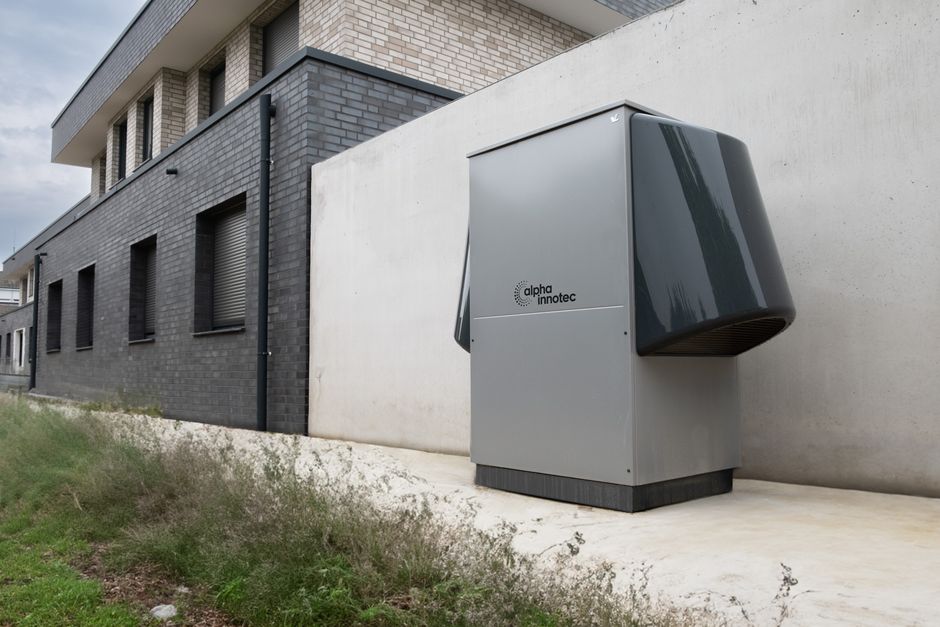
A generator, whether it’s a portable gas unit or a permanently installed standby generator, burns fuel to produce electricity on demand. It’s loud, it needs ventilation, it requires stored fuel or a natural gas or propane line, and it can power almost anything in your home if you size it correctly. A 22-kilowatt Generac whole-home standby unit running on natural gas will keep your HVAC, refrigerator, lights, and sump pump running indefinitely as long as the gas utility is working.
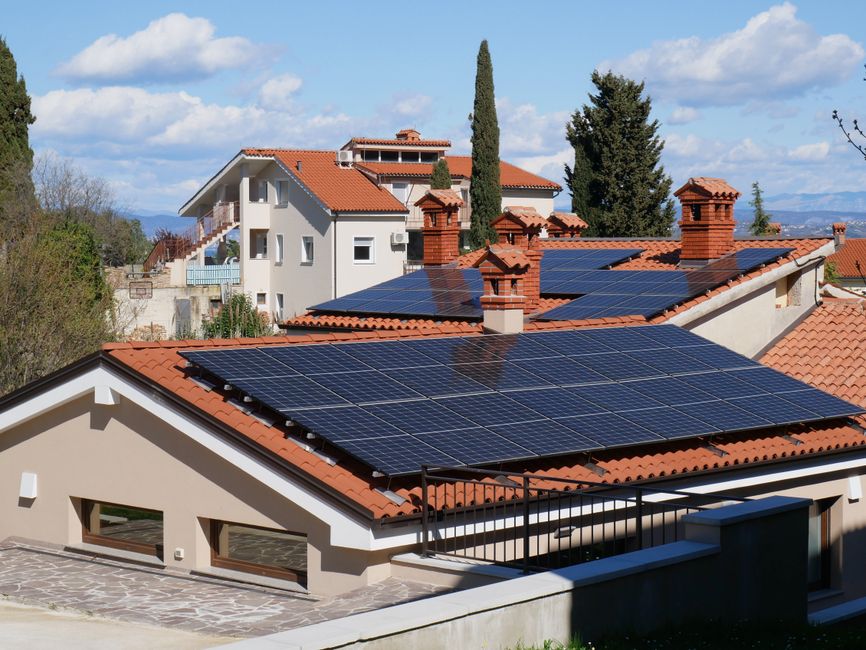
A solar battery backup system, like a Tesla Powerwall 3 or a Panasonic EverVolt, stores electricity and releases it silently, instantly, and without any fuel. It recharges from your solar panels during the day. It’s indoors-safe, requires almost no maintenance, and in most cases you won’t even notice when the grid goes down. The tradeoff: capacity is finite, and if the outage lasts days and the sky stays cloudy, you’re managing a limited resource.
Neither is universally better. The right answer depends on where you live, how long your outages typically last, what you need to power, and honestly, your budget.
The Real Cost Breakdown Nobody Talks About Upfront
Helpful resource: P3 Kill A Watt Electricity Usage Monitor is a top-rated option for this. (As an Amazon Associate this site earns from qualifying purchases.)
This is where I see people get tripped up most. They look at the purchase price and stop there. You can’t do that.
A mid-range portable generator, something like a 7,500-watt dual-fuel unit, might run you $800 to $1,500 at a hardware store. But add a proper transfer switch (required by code in most jurisdictions, and non-negotiable from a safety standpoint), professional installation, extension cord management or a dedicated sub-panel, and you’re at $2,500 to $4,500 installed for a decent portable setup. A Generac or Kohler whole-home standby generator with automatic transfer switch and professional installation typically lands between $10,000 and $20,000 depending on your home’s load and local labor rates.
Battery backup costs more upfront. A single Tesla Powerwall 3 with installation runs roughly $12,000 to $16,000, depending on your region and installer. Two of them, which gives you enough capacity to run a typical home for 24 to 36 hours with mindful usage, puts you at $20,000 to $28,000. That’s before any incentives.
Here’s where the math changes: the federal Investment Tax Credit (ITC) currently covers 30% of battery installation costs if the battery is charged by solar. A $14,000 Powerwall installation could net you a $4,200 tax credit. Many states layer additional incentives on top of that. Generators get nothing. EnergySage’s market data consistently shows that battery-plus-solar combinations have lower 10-year total cost of ownership than generator setups when you account for fuel, maintenance, and incentives, though the upfront number still stings.
Ongoing costs matter too. A natural gas standby generator needs annual servicing, roughly $150 to $300 per year. Portable generators need oil changes, fresh fuel, and carburetor attention if they sit unused. Battery systems need essentially nothing. Some manufacturers recommend a firmware update check every year or so, and that’s about it.
What Each System Actually Powers (and What It Won’t)
EASIEST Grid-Tied Solar Battery Back Up System | Anker SOLIX E10 · Martin Johnson - Off Grid Living on YouTube
| Load | Typical Wattage | Generator (7,500W portable) | Single Powerwall 3 (13.5 kWh) |
|---|---|---|---|
| Refrigerator | 150W running | Yes | Yes, for days |
| Sump pump | 800-1,200W | Yes | Yes, intermittent use fine |
| CPAP (no heat) | 30-60W | Yes | Yes, for days |
| Central AC (3-ton) | 3,500W running | Yes, tight on portable | 3-4 hours continuous |
| EV charger (Level 2) | 7,200W | No (portable) / Yes (standby) | No, not recommended |
| Well pump (1HP) | 1,500W | Yes | Yes, with caution |
| Electric range | 5,000-8,000W | Partial/No | No |
| Whole-home HVAC + fridge + lights | Combined 5-8kW | Yes (standby) | Partial or No |
You might be wondering: can a battery backup run my central air conditioner? Sometimes, and it depends on the battery capacity and how long you need it to run.
Here’s a practical breakdown:
| Load | Typical Wattage | Generator (7,500W portable) | Single Powerwall 3 (13.5 kWh) |
|---|---|---|---|
| Refrigerator | 150W running | Yes | Yes, for days |
| Sump pump | 800-1,200W | Yes | Yes, intermittent use fine |
| CPAP (no heat) | 30-60W | Yes | Yes, for days |
| Central AC (3-ton) | 3,500W running | Yes, tight on portable | 3-4 hours continuous |
| EV charger (Level 2) | 7,200W | No (portable) / Yes (standby) | No, not recommended |
| Well pump (1HP) | 1,500W | Yes | Yes, with caution |
| Electric range | 5,000-8,000W | Partial/No | No |
| Whole-home HVAC + fridge + lights | Combined 5-8kW | Yes (standby) | Partial or No |
The honest truth about batteries: they shine brightest when powering critical loads efficiently. If you use them to run your home like nothing happened, you’ll burn through a 13.5 kWh Powerwall in a few hours. Most people set up a “backup loads” panel that includes the refrigerator, a few outlets, lighting, and medical equipment. The generator, especially a standby unit, handles the “run everything” scenario better.
Some installers now offer hybrid setups: a battery handles the first 12 to 24 hours silently, and a generator kicks in only if the battery drops below a set threshold. This is increasingly popular in hurricane-prone regions. I’ve seen this approach work beautifully for clients in coastal Florida who deal with multi-day outages.
The Practical Reality: Noise, Fumes, Maintenance, and HOA Rules
If you live in a neighborhood with an HOA, pull out that CC&R document before you buy anything. Many HOAs restrict or outright prohibit permanent standby generators due to noise, fuel storage, and aesthetic concerns. Portable generators are often allowed but regulated for placement and run hours. Battery systems almost never face HOA restrictions because they’re quiet, have no emissions, and typically install in a garage or on an exterior wall out of sight.
Noise is a legitimate quality-of-life issue. A 7,500-watt portable generator runs at roughly 65 to 74 decibels at 23 feet. That’s lawnmower territory, sustained for hours or days. Your neighbors will know you have a generator. You’ll know you have a generator. A Powerwall makes no sound whatsoever during operation.
Carbon monoxide is a life-safety issue that doesn’t get enough attention. The CDC reports hundreds of deaths per year from CO poisoning related to generator use, almost all from units placed too close to the home or run in enclosed spaces. A battery system carries zero CO risk. If you go the generator route, you need at least 20 feet of clearance from windows and doors, and you need interconnected CO detectors on every level of your home. That’s not optional.
From a maintenance standpoint, I’ve talked to plenty of homeowners who bought a generator five years ago, ran it twice, and discovered during a real outage that stale fuel had gummed up the carburetor. Generators require real, scheduled maintenance: oil changes every 50 to 100 hours of runtime or annually, fresh fuel or fuel stabilizer, air filter checks, and load tests. The NREL’s research on residential resilience consistently finds that maintenance gaps are one of the primary failure modes for backup generation in real outage scenarios.
How to Choose: A Step-by-Step Decision Framework
Work through this honestly before you spend anything.
Step 1: Know your outage history. Pull your utility’s outage data for your address. Many utilities offer this through their online portal. If your outages average 4 to 8 hours, one or two battery units handle that easily. If you regularly lose power for 3 to 5 days, you need either a large battery array with solar recharging, a standby generator, or that hybrid combination mentioned earlier.
Step 2: List your non-negotiable loads. Write down every appliance or device that you genuinely cannot be without. Medical equipment, refrigerator, sump pump if you have one, and a few lights are common answers. Add up their wattages. This is your minimum backup requirement.
Step 3: Check your fuel access. Do you have natural gas at your home? A whole-home standby generator on natural gas is extremely reliable since you’re not storing fuel on-site. No natural gas? You’re dealing with propane tanks or gasoline, which adds logistics and storage concerns.
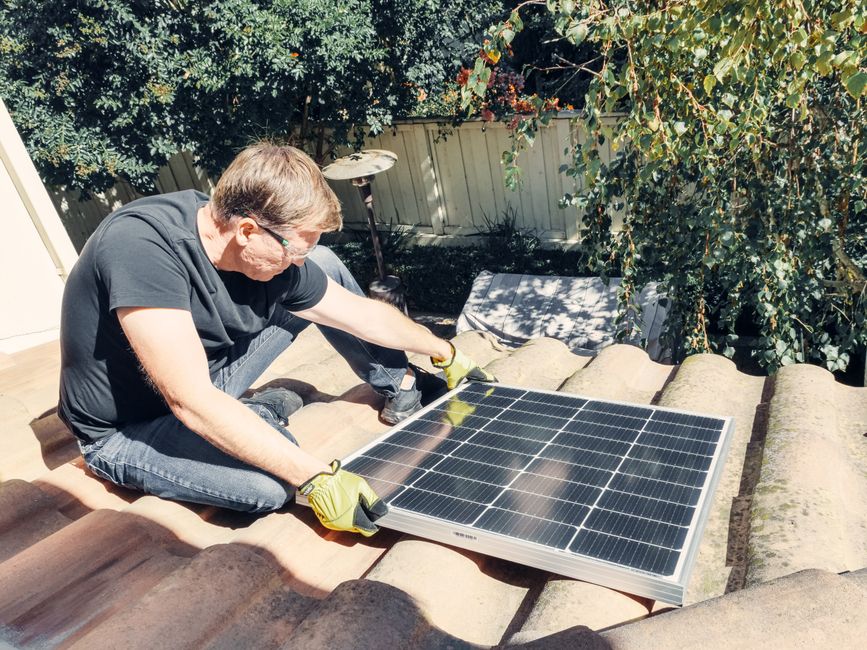
Step 4: Check your solar situation. Do you already have solar panels? A battery system is a natural, highly economical add-on. Your installer can typically add a Powerwall or EverVolt to an existing solar system without a full redesign. No solar? A battery alone is still useful but loses some of its recharge advantage during extended outages.
Step 5: Get real quotes for both options. Don’t estimate. Call a licensed electrician for a generator quote and a certified solar installer for a battery quote. Make sure both quotes include installation, permits, and any panel upgrades. Compare those real numbers, then apply the tax credit math to the battery option.
Step 6: Consider the dual-use value. A battery system provides value every single day, not just during outages. Time-of-use rate arbitrage, demand charge reduction, self-consumption of solar, and backup protection all come from one installation. A generator sits dormant until needed. That changes the return-on-investment calculation significantly.
A quality home energy monitor like the Emporia Vue (Amazon link, site may earn a commission) can help you measure your actual loads before you commit to any system size. It’s a $50 tool that can save you from dramatically over or under-sizing your backup solution.
Whatever you decide, the worst outcome is the one you’ve been living with: putting this off until the next outage reminds you why you care. Both generator and battery systems are legitimate, proven solutions when they’re sized correctly and installed by someone who knows what they’re doing. Get the quotes. Run the numbers. Pick the one that fits your actual life and your actual outages, not the one that sounds best in a commercial. You’ve already done the hard part by asking the right questions.
Sources
- P3 Kill A Watt Electricity Usage Monitor
- home energy monitor like the Emporia Vue
- Emporia Smart Outlet with Energy Monitoring
- Jackery SolarSaga 100W Solar Panel
- Renogy 200W Solar Starter Kit + 30A Charge Controller
Disclosure: As an Amazon Associate, we earn a small commission from qualifying purchases at no extra cost to you. We only recommend products that genuinely support the topics covered in this article.
- Renogy 200W Solar Starter Kit + 30A Charge Controller (~$169), Complete beginner solar kit, 200W monocrystalline panel, charge controller, and mounting hardware included.
- Renogy 2×100W Monocrystalline Solar Panels (~$99), Expandable 200W panel set from the most trusted DIY solar brand, used widely in off-grid and home backup systems.
- EF EcoFlow DELTA 2 Portable Power Station (1024Wh) (~$599), 1024Wh LFP battery with 1800W output, top-rated solar generator for home backup power. Charges in under 2 hours.
- EF EcoFlow DELTA 2 Max (2048Wh) (~$999), 2048Wh LFP battery with 2400W output, ideal for whole-home solar backup or pairing with rooftop solar panels.
Recommended Resources
Disclosure: As an Amazon Associate, we earn a small commission from qualifying purchases at no extra cost to you. We only recommend products that genuinely support the topics covered in this article.
- Renogy 200W Solar Starter Kit + 30A Charge Controller (~$169), Complete beginner solar kit, 200W monocrystalline panel, charge controller, and mounting hardware included.
- Renogy 2×100W Monocrystalline Solar Panels (~$99), Expandable 200W panel set from the most trusted DIY solar brand, used widely in off-grid and home backup systems.
- EF EcoFlow DELTA 2 Portable Power Station (1024Wh) (~$599), 1024Wh LFP battery with 1800W output, top-rated solar generator for home backup power. Charges in under 2 hours.
- EF EcoFlow DELTA 2 Max (2048Wh) (~$999), 2048Wh LFP battery with 2400W output, ideal for whole-home solar backup or pairing with rooftop solar panels.