 Rachel Kim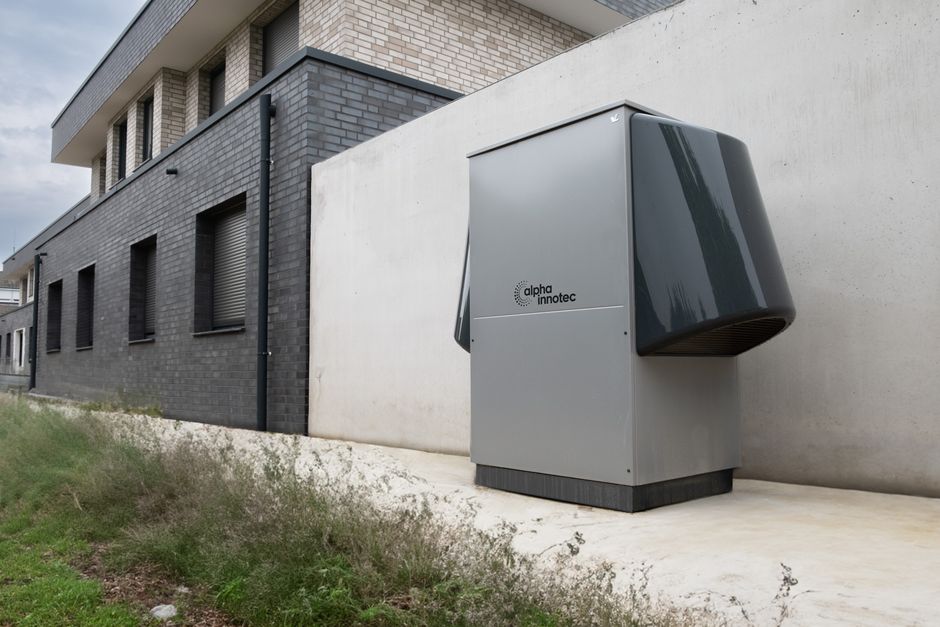
My phone started blowing up in January with texts from homeowners who were furious. They’d waited too long. The 30% federal tax credit was gone, the One Big Beautiful Bill Act had killed it for any system installed on or after January 1, 2026, and suddenly the math on a new solar panel system looked a lot uglier. I get it. That’s a real gut-punch after years of assuming the credit would always be there.
Here’s the part that surprised even me, though: while new panel installations dropped sharply in early 2026, home battery storage just posted its biggest quarter in history. Not a modest uptick. Eighty-six percent year-over-year growth in the residential segment, according to the ACP and Wood Mackenzie U.S. Energy Storage Monitor released June 23, 2026. Bloomberg reported on July 1 that U.S. homeowners installed a record 673 MW of residential battery storage in Q1 2026 alone, citing fresh EIA data. The solar industry didn’t collapse. It split in two, and understanding which side you’re on right now could save you tens of thousands of dollars.
- Residential battery storage hit 1.3 GWh installed in Q1 2026, up 86% year-over-year.
- The 30% Section 25D tax credit is gone for new solar installs in 2026.
- Nearly 50% of new residential solar systems now pair with a battery.
- Section 48E commercial ITC for batteries via lease or PPA remains active through 2032.
- Wood Mackenzie forecasts 12% average annual battery growth over the next four years.
Why Panels Slowed and Batteries Didn’t
The tax credit situation is more nuanced than most homeowners realize. The One Big Beautiful Bill Act, signed July 4, 2025, eliminated the Section 25D residential tax credit for systems placed in service starting January 1, 2026. That’s the credit most people think of when they hear “30% solar tax credit.” It’s gone for new panel buyers who own their systems outright.
But the Section 48E investment tax credit, which applies to battery storage accessed through a lease or power purchase agreement, runs through 2032. That’s a meaningful carve-out, and it explains a big part of why batteries are booming while owned-panel sales stall. Installers and financiers have restructured their offerings fast. If you’re being pitched a battery lease or PPA right now, that’s not a coincidence.
What most people don’t realize is that many homeowners with existing solar systems, some installed years ago, are now retrofitting batteries without adding any new panels at all. Their panels are fine. What they’re missing is the ability to bank that power and use it when the grid goes down or when rates spike. That retrofit market is enormous, and it’s driving a good chunk of the Q1 numbers.
The New Math: Does a Standalone Battery Still Make Sense?
Helpful resource: P3 Kill A Watt Electricity Usage Monitor is a top-rated option for this. (As an Amazon Associate this site earns from qualifying purchases.)
This is where you need to sit down and actually run the numbers for your situation, because the answer genuinely varies by state. The states driving the battery boom are ones with strong local incentives: California’s SGIP program, New York’s Con Edison and PSEG storage rebates, Texas net metering policy shifts that punished daytime solar exporters, and several others. Bloomberg specifically noted state incentives as the primary accelerant in their July 1 report.
Here’s a simplified comparison of the main paths a homeowner is looking at right now:
| Path | Federal Incentive | Typical Upfront Cost | Who It’s Best For |
|---|---|---|---|
| New solar + battery (owned) | None in 2026 | $25,000–$45,000+ | Long-term owners, high utility bills |
| Battery-only retrofit (owned) | None in 2026 | $10,000–$18,000 | Existing solar owners |
| Battery via lease or PPA | Section 48E ITC (through 2032) | $0–$2,000 typically | Those who want backup without capital outlay |
| Existing solar, no battery | No new incentive | $0 | Already installed, evaluating retrofit |
The lease and PPA route sounds attractive right now, and for some people it is. But I’ve seen too many homeowners sign 20-year PPA agreements without reading what happens when they sell the house. The contract transfers to the buyer, and that can complicate your sale. Get a real estate attorney to look at that paperwork before you sign.
What 86% Growth Actually Looks Like on the Ground
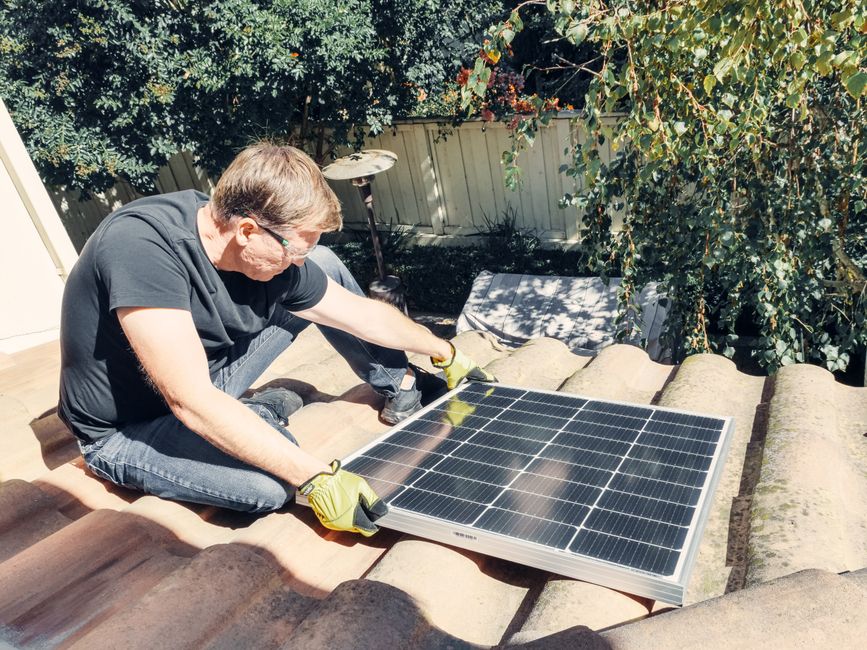
Do It Yourself Solar Power? - Easy DIY Solar Panel Installation! · JerryRigEverything on YouTube
The overall U.S. battery storage market, all segments combined, hit a record 3.3 GW and 8.4 GWh installed in Q1 2026, up 54% over the prior Q1 record, per the same ACP and Wood Mackenzie monitor. Residential was the fastest-growing piece of that. According to the SEIA’s Q2 2026 Market Insight Report, nearly 50% of all new residential solar installations in Q1 2026 were paired with a battery system, compared to well under 20% just a few years ago.
That 50% attach rate is the number that should stick with you. It means the industry has fundamentally shifted its sales model. Batteries aren’t the add-on anymore. For new installs, they’re increasingly the default.
Contractor Red Flags to Watch in This Market
A hot market brings out fast-moving installers who are adjusting their pitches faster than their expertise. I’ve already heard from homeowners who were told their system qualified for a “federal tax credit” on a 2026 install. That’s either ignorance or a lie, and you don’t want either one running your electrical work.
A few things to check right now. Ask any installer to specify in writing which tax incentive applies to your specific configuration, residential vs. commercial classification, owned vs. leased. If they can’t answer that question clearly, walk away. Ask for their electrical contractor license number and verify it with your state licensing board. Battery installations involve your home’s main electrical panel and in many cases require a permit and inspection. If an installer suggests skipping the permit to save time, that’s not a favor to you. It’s a liability you’ll carry when you sell.
Also confirm whether your utility requires a new interconnection agreement for a battery retrofit. Some utilities, particularly in states that updated their net metering rules in 2024 and 2025, treat a battery addition as a system modification that triggers a new review. That can delay your timeline by weeks.
Where This Goes From Here
Wood Mackenzie and ACP project residential battery storage will grow at about 12% annually over the next four years, even accounting for a modest 2026 contraction from the incentive disruption. That’s a long runway, and it means the product selection, installer competition, and financing options should improve over time.
If you already have solar and have been on the fence about adding a battery, the Q1 data suggests you’re in good company. If you’re starting from scratch, the calculus is harder without the 30% credit, but state-level programs and the lease structure can still make the numbers work depending on where you live and what your utility charges for peak power. Don’t let anyone rush you. The market’s not going anywhere, and the right system for your house is worth the extra few weeks of homework.
Sources
- US Home Battery Installations Boosted By State Incentives (July 1, 2026)
- Home Battery Boom 2026: What the Q1 Record Means for You (July 9, 2026)
- US Sees Record Q1 2026 Energy Storage Installations (June 25, 2026)
- Solar Market Insight Report Q2 2026 (July 2026)
- Solar Battery Tax Credit 2026: What Changed After the OBBBA (April 16, 2026)
Photo: alpha innotec via Pexels
Recommended Resources
Disclosure: As an Amazon Associate, we earn a small commission from qualifying purchases at no extra cost to you. We only recommend products that genuinely support the topics covered in this article.
- Renogy 200W Solar Starter Kit + 30A Charge Controller (~$169), Complete beginner solar kit, 200W monocrystalline panel, charge controller, and mounting hardware included.
- Renogy 2×100W Monocrystalline Solar Panels (~$99), Expandable 200W panel set from the most trusted DIY solar brand, used widely in off-grid and home backup systems.