 David Torres
405 watts from a residential solar panel. That’s not a typo, and when REC first hit that number with the Alpha series, a lot of installers I knew thought it was a marketing gimmick. I was skeptical too, honestly. I’d been installing panels long enough to know that spec sheet numbers and real-world output are two very different conversations.
Then I started putting them on actual roofs.
The REC Alpha panel line has become one of the most-discussed premium options in the residential market, and for once the hype has some data behind it. As of July 2026, REC’s Alpha Pure Black and Alpha Pure REC 405-430W panels are sitting at the top of EnergySage’s installer rating lists, and that matters because EnergySage aggregates real quotes and real contractor feedback, not manufacturer PR.
But “top rated” doesn’t automatically mean right for your roof, your budget, or your installer’s supply chain. So let me walk you through what the numbers actually mean.
What Makes the Alpha Different From Most Panels You’ll See Quoted
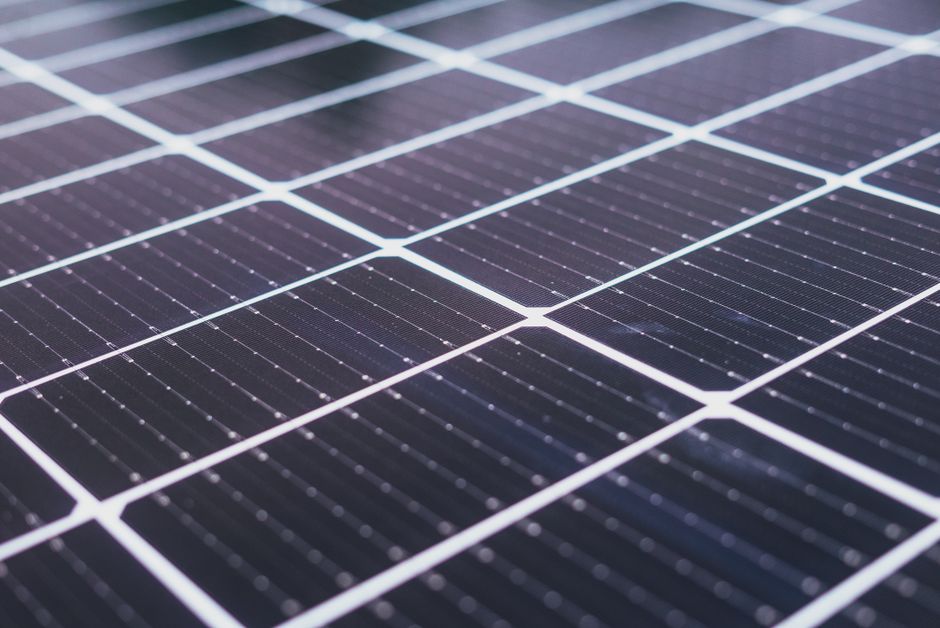
The Alpha line uses heterojunction technology, or HJT. You might be wondering what that means in practice, and here’s what I tell people: imagine sandwiching a thin amorphous silicon layer between two crystalline silicon layers. The result is a cell that captures more light across a broader spectrum, especially in low-light and diffuse-light conditions, and one that degrades significantly more slowly over time.
REC claims a first-year degradation of just 2% and an annual degradation of 0.25% afterward. To put that in perspective, standard monocrystalline PERC panels typically degrade at 0.45-0.55% per year. According to data from the National Renewable Energy Laboratory (NREL), panel degradation rates have a compounding effect that can reduce a 25-year system’s output by 12-15% more than the spec sheets imply. At 0.25%, the REC Alpha’s degradation story is genuinely strong, not just marketing.
The temperature coefficient is where I’ve seen installers get surprised. The Alpha series comes in at -0.24%/°C, compared to -0.35% to -0.40% for most standard mono panels. On a hot Texas roof hitting 65°C in August, that difference is real money over 20 years.
The Numbers That Matter for Your Roof
Helpful resource: EG4 Battery Monitor Shunt for Solar Systems is a top-rated option for this. (As an Amazon Associate this site earns from qualifying purchases.)
Efficiency percentage is the figure that determines how much roof space you need. At 22.3% efficiency, the Alpha 430W produces more power per square foot than almost anything outside SunPower’s own HJT line. That matters most when your usable roof area is limited, or when your HOA has restricted the number of panels visible from the street (a situation I run into constantly in certain Phoenix and San Diego neighborhoods).
Here’s a side-by-side of the current REC Alpha variants against their closest competitors, current as of July 2026:
| Panel | Wattage | Efficiency | Temp Coefficient | Annual Degradation | Approx. Installed Cost/W | Warranty |
|---|---|---|---|---|---|---|
| REC Alpha Pure Black 405W | 405W | 21.7% | -0.24%/°C | 0.25% | $3.10–$3.40 | 25 yr product/output |
| REC Alpha 430W | 430W | 22.3% | -0.24%/°C | 0.25% | $3.20–$3.55 | 25 yr product/output |
| SunPower Maxeon 6 420W | 420W | 22.8% | -0.27%/°C | 0.25% | $3.80–$4.20 | 40 yr combined |
| Panasonic EverVolt HK 410W | 410W | 21.6% | -0.26%/°C | 0.26% | $3.00–$3.30 | 25 yr product/output |
| Jinko Tiger Neo 420W | 420W | 21.4% | -0.30%/°C | 0.40% | $2.60–$2.90 | 25 yr product/output |
The installed cost per watt figures come from averaged EnergySage market data across multiple quote samples. Your actual number will vary by region, system size, and installer markup, but these ranges are realistic ballpark figures.
One thing that table doesn’t show: SunPower’s 40-year combined warranty is genuinely unusual in this industry, and if long-term warranty security is your primary concern, that’s worth the premium. I don’t want to gloss over that.
Real-World Scenarios: What This Looks Like in Practice
How Many Solar Panels Do You Need? Follow This Easy Breakdown! · Top Homeowner on YouTube
A few examples that reflect what I’ve actually seen on jobs or heard about from contractors I trust:
A homeowner in San Diego with a 1,400 sq ft of south-facing roof area, shaded on one edge by a neighbor’s pine tree, installed 18x REC Alpha 430W panels (7.74 kW DC) → paired with a SolarEdge optimized inverter system → first-year production came in at 11,847 kWh, roughly 6% above the modeling estimate, primarily because the low-light performance in San Diego’s marine layer mornings outperformed standard PERC projections.
A Massachusetts homeowner replacing a failed 2011 system needed to match legacy production with fewer panels due to a second-floor addition that reduced roof space → swapped to 14x REC Alpha 430W from 22x older 250W panels → maintained equivalent annual production (approximately 9,200 kWh) while freeing up roof area for a small skylight addition the contractor had told them was otherwise impossible.
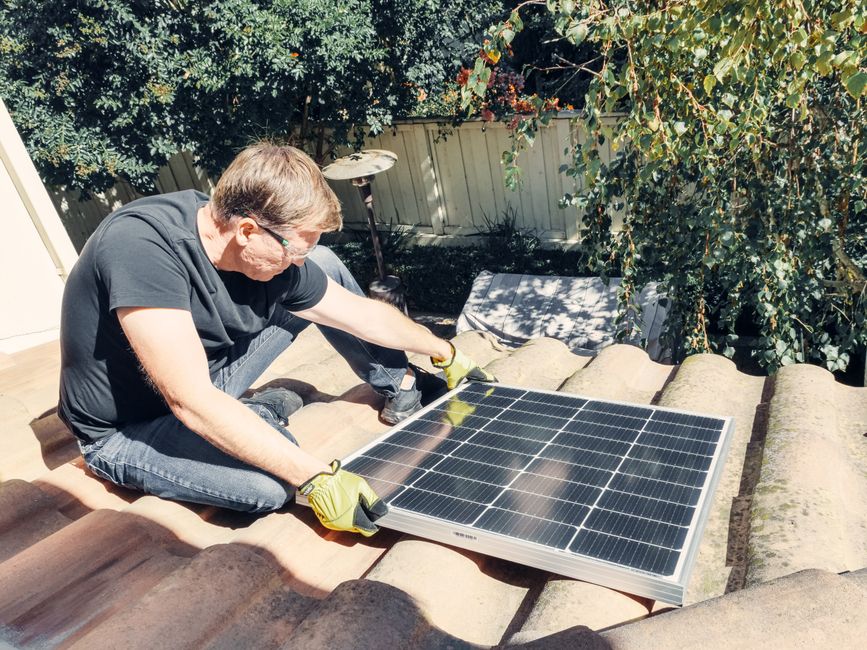
A DIY-leaning homeowner in Colorado tried to source REC Alpha panels directly to save on contractor margin → discovered that REC’s ProTrust warranty (the full 25-year product and output guarantee) requires installation by an REC-certified contractor → ended up having to go through a certified installer anyway to preserve the warranty. Important: this is a detail a lot of people miss, and I’ve gotten emails about it. You can buy the panels uncertified, but you’ll be sitting with a manufacturer’s limited warranty instead of the full coverage. Verify installer certification before signing anything.
What the Warranty Actually Says
The 25-year ProTrust warranty is legitimately one of the better ones in the residential market right now, but the terms have conditions worth knowing. The output guarantee promises 92% output after year one, and at least 86% of rated power after 25 years. Given the 0.25% annual degradation spec, they’re actually promising less degradation than the spec sheet implies, which tells you they have confidence in the numbers.
REC is a Norwegian company, now majority-owned by Reliance Industries. I’ve had people ask me whether that ownership structure is a concern for long-term warranty claims. Honestly, I don’t have a definitive answer on that, and anyone who tells you with certainty that any solar manufacturer will be around in 25 years is guessing. What I can tell you is that REC has been manufacturing panels since 1996 and has a track record that compares favorably to many of the brands that do get pushed hard by commission-hungry sales reps.
Red Flags When You’re Getting Quotes
A few things that should make you slow down when a contractor is proposing REC Alpha panels:
If the quote doesn’t specify installer certification for the ProTrust warranty, ask directly. Ask the contractor to show you their REC ProTrust certification number. A good installer won’t flinch at that question.
If the per-watt installed price is below $2.90 for the Alpha line, something’s off. Either they’re sourcing uncertified product, quoting older Alpha 1 inventory (there are still some floating around in distributor warehouses as of this year), or the margins are being cut somewhere else in the system design. I’m not saying it can’t happen, but it should prompt questions.
Also: pay attention to whether they’re pairing the Alpha panels with a microinverter or optimizer system. The REC Alpha’s strong low-light performance gets partially wasted if you’re running a string inverter with no per-panel optimization on a roof that has any shading at all. I’ve seen installs where the panel choice was excellent and the inverter choice undermined the whole decision.
Sources
- NREL Photovoltaic Degradation Rates: Research on real-world panel degradation, used to contextualize the 0.25% annual rate claim
- EnergySage Solar Market Intel Report: Installer ratings, installed cost per watt ranges, and consumer quote data as of 2026
- REC Group Alpha Series Product Datasheet (July 2026 version): Manufacturer specifications for efficiency, temperature coefficient, and warranty terms
- IEA Photovoltaic Power Systems Programme (PVPS) Task 13: Long-term performance and reliability of photovoltaic systems
- Lawrence Berkeley National Laboratory “Tracking the Sun” Report: U.S. residential solar pricing and system configuration trends
Recommended Resources
Disclosure: As an Amazon Associate, we earn a small commission from qualifying purchases at no extra cost to you. We only recommend products that genuinely support the topics covered in this article.
- Renogy 200W Solar Starter Kit + 30A Charge Controller (~$169), Complete beginner solar kit, 200W monocrystalline panel, charge controller, and mounting hardware included.
- Renogy 2×100W Monocrystalline Solar Panels (~$99), Expandable 200W panel set from the most trusted DIY solar brand, used widely in off-grid and home backup systems.