 Stephanie Walsh
You went solar to cut your electric bill. Your bill is still embarrassing. Here’s what’s actually going on.
Most troubleshooting advice online is either too vague (“check your inverter!”) or written by someone who’s never actually read a utility statement. I’ve spent enough time on roofs and inside electrical panels to tell you the real reasons bills stay high after solar, and most of them have nothing to do with the panels themselves.
Your System Might Be Undersized, and Nobody Told You That Directly
This is the most common culprit. Installers don’t always flag it clearly at signing time.
A solar company sizes your system based on your historical consumption. Used 900 kWh per month last year? They’ll propose something that covers roughly that. But then life happens. You got an EV. Started working from home. Your kid moved back in. That old refrigerator finally died and you replaced it with a model that runs ice cream production 24/7. Any of these can push your consumption way past what your system was designed to offset.
Pull your utility bills for the last 12 months and add up total kWh. Then log into your inverter monitoring app (SolarEdge, Enphase Enlighten, whatever your installer set up) and pull total production over the same window. If production is running at 70 percent of consumption or lower, the system is undersized for your current load. That gap is your bill.
The fix isn’t always adding more panels. Sometimes it’s just understanding the mismatch and adjusting behavior. But if the gap is large and consistent, get an expansion quote. Don’t make your original installer your only option though. Get two or three quotes, the same way you should’ve the first time.
Net Metering Is Not What the Sales Pitch Made It Sound Like
I get at least one frustrated email a month from someone saying “my system is producing more than I use, but my bill is still $150.” This is almost always a net metering misunderstanding.
Net metering lets you export excess solar production to the grid and get a credit. But the math depends entirely on your utility’s rate structure, and the credit rate varies wildly. Some utilities still offer full retail credit, meaning they credit you at the same rate you’d pay to buy that power. Many have moved to avoided-cost rates, which can be 50 to 70 percent lower than retail. In California, NEM 3.0 (which kicked in for new customers in April 2023) dropped export rates dramatically. Solar payback periods in the state got a lot less attractive almost overnight.
Beyond the rate: even if you’re exporting lots of power during the day, you’re still pulling from the grid at night, early morning, and on cloudy days. Time-of-use pricing makes this sting. You might be buying back power during expensive peak hours while exporting cheap off-peak solar. Export 400 kWh and import 350 kWh, and you can still owe money if the math works against you.
Dig into your utility statement line by line. Fixed charges (distribution, transmission, meter fees) typically run $10 to $30 a month and solar can’t offset them at all, regardless of what your system produces. That’s not a bug. That’s how the rate tariff is written. Knowing that distinction saves enormous frustration.
The System Is Working Fine But Your Consumption Has Ballooned
How Many Solar Panels Do You Need? Follow This Easy Breakdown! · Top Homeowner on YouTube
Solar doesn’t reduce consumption. It offsets it. Different things.
A 7 kW system producing 850 kWh per month against a household now using 1,400 kWh is going to leave you with a serious bill every month. The system isn’t failing. Your load outran it.
Electric vehicles are the biggest wildcard right now. Adding an EV and charging at home can add 300 to 500 kWh per month to a typical household. If your solar was sized before you had the car, it wasn’t designed to cover that load. If you got the car and solar at the same time but told the installer you’d only charge twice a week because you’d mostly use public charging, and then you charge every night, that gap is on the consumption side, not the production side.
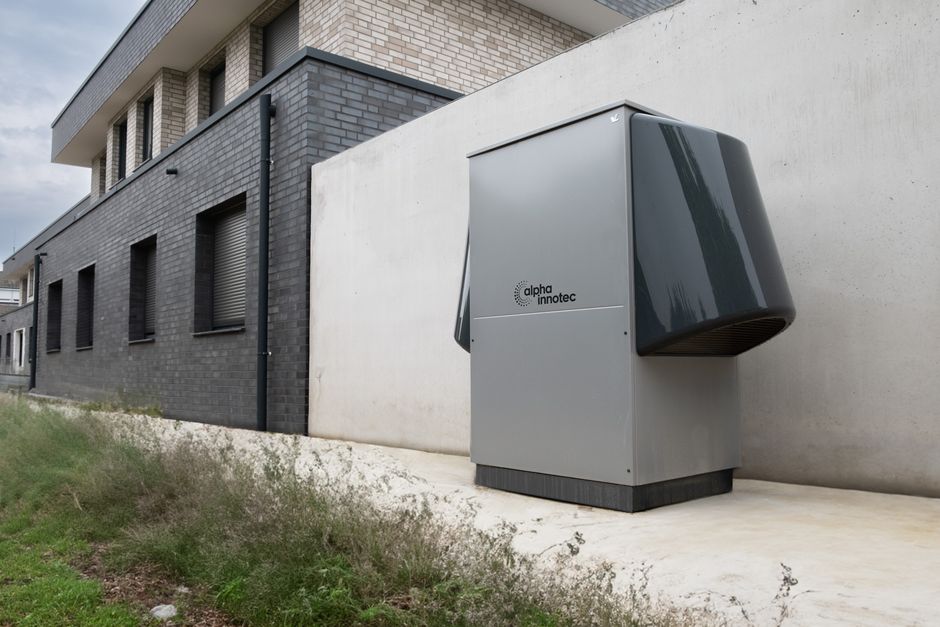
Heat pump conversions do the same thing. Replace gas heat with a heat pump and your electricity use could jump 500 kWh or more per month in winter. Your solar system, which produces its lowest output in winter, is now fighting a much bigger load at exactly the wrong time of year.
A home energy monitor like the Emporia Vue 2 (around $70 on Amazon) will show you circuit by circuit where your electricity is actually going. Spend an afternoon with that data before you assume the panels are the problem. You might be shocked. The first time I installed one of these, I discovered a crawl space dehumidifier that had been running non-stop for months and burning about 90 kWh per month all by itself.
Helpful resource: P3 Kill A Watt Electricity Usage Monitor is a top-rated option for this. (As an Amazon Associate this site earns from qualifying purchases.)
Production Loss You’d Never Notice Without Checking
| Issue | Production Impact | Typical Fix |
|---|---|---|
| Panel soiling (dust, pollen, droppings) | 5-15% reduction | Clean panels ($30-$60 kit) |
| Tree shading (gradual growth) | 5-25%+ reduction | Trim vegetation or relocate panels |
| Normal degradation | ~0.5% per year | Expected; not a failure |
| Undersized system vs. current load | Permanent shortfall | Expansion or behavior adjustment |
| Net metering rate mismatch | Bill remains high despite export | Rate structure review |
| Fixed utility charges | Cannot be offset | Typical $10-$30/month baseline |
Panels degrade slowly over time, which is normal (about 0.5 percent per year is typical). But there are faster, silent production killers that don’t trigger alarms.
Soiling is underrated. A layer of dust, pollen, or bird droppings on even two or three panels can drop production by 5 to 15 percent. It accumulates gradually so you don’t notice until you compare year-over-year data. In dusty climates or areas with heavy tree canopy, this compounds fast. A solar panel cleaning kit runs $30 to $60 and can make a meaningful difference in output if your panels haven’t been cleaned in a couple of years.
Shading is worse. A tree that was 20 feet tall when your system was installed might now be 30 feet and throwing shade across your array for two or three hours a day in summer. Or a neighbor added a second story. Or your system uses string inverters (as opposed to microinverters or power optimizers), meaning one shaded panel drags down the entire string. NREL research has shown that shading as little as 9 percent of a panel’s surface can cut its output by 54 percent in a string configuration. That’s not a typo.
Log into your monitoring platform and pull up production per panel (if you have Enphase or SolarEdge with optimizers, you can see this). Look for panels producing significantly less than their neighbors consistently. That’s either shading, a failed optimizer, or a faulty panel. Worth a service call.
One failed microinverter or optimizer can go undetected for months if you’re only looking at total system output. Monthly production that’s 10 to 15 percent lower than the same month the previous year should trigger a look at individual panel data, not just a shrug.
Your Installer Set It and Forgot It (and So Did You)
A solar system technically needs very little maintenance. That’s a selling point that occasionally becomes a problem because homeowners stop paying attention.
Your inverter might’ve been throwing fault codes for three months. If you never log into the monitoring app, you wouldn’t know. Some installers set up automated alerts; many don’t. Some homeowners turn off email notifications because they get annoying and then forget they exist.
Check your monitoring platform monthly, minimum. Compare production to the same month the prior year. EnergySage’s market data shows that a well-maintained 7 kW system in a moderate-sun climate should produce around 9,000 to 10,000 kWh annually. Running 20 percent below that without a clear weather explanation means something is wrong.
Also check whether your system is actually turned on. This sounds absurd, but it happens. A grid outage, a tripped breaker on the AC disconnect, or a utility worker who switched something off and didn’t restore it can leave a system offline indefinitely if nobody’s monitoring. I’ve seen homeowners go six months paying full utility bills because a breaker tripped and the system was silently offline.
A high bill after solar isn’t always a tragedy. Sometimes it’s just information. A consumption problem. A rate structure you didn’t fully understand. A tree that grew three feet. Most of these are fixable once you actually know what you’re dealing with. The mistake is assuming the system is working perfectly and blaming the utility, or assuming something is catastrophically wrong and panicking. Pull the data first. The answer is almost always in there.
Sources
- Emporia Vue 2
- P3 Kill A Watt Electricity Usage Monitor
- solar panel cleaning kit
- Renogy 200W Solar Starter Kit + 30A Charge Controller
- Renogy 2×100W Monocrystalline Solar Panels
Disclosure: As an Amazon Associate, we earn a small commission from qualifying purchases at no extra cost to you. We only recommend products that genuinely support the topics covered in this article.
- Renogy 200W Solar Starter Kit + 30A Charge Controller (~$169), Complete beginner solar kit, 200W monocrystalline panel, charge controller, and mounting hardware included.
- Renogy 2×100W Monocrystalline Solar Panels (~$99), Expandable 200W panel set from the most trusted DIY solar brand, used widely in off-grid and home backup systems.
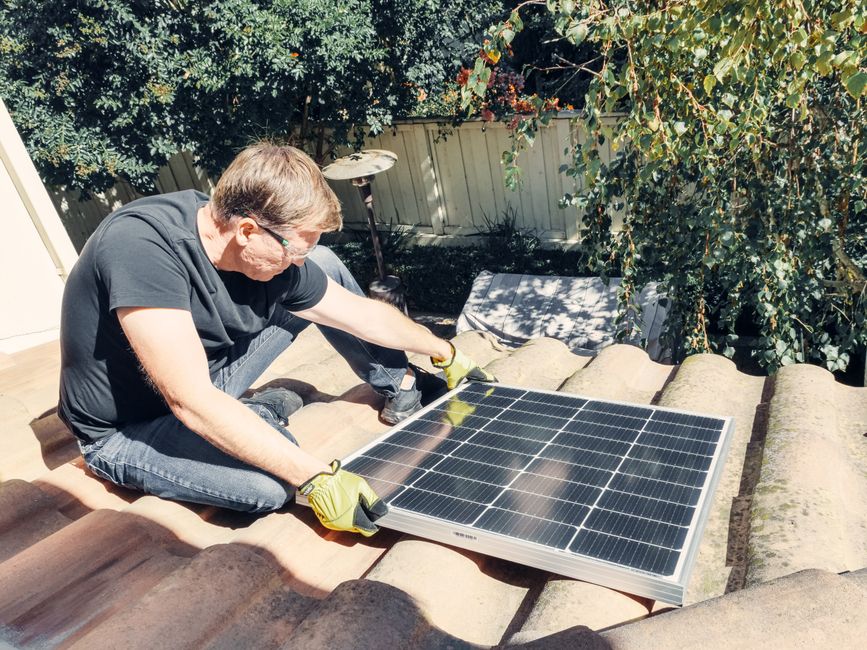
Photo: Erik Mclean via Pexels
Recommended Resources
Disclosure: As an Amazon Associate, we earn a small commission from qualifying purchases at no extra cost to you. We only recommend products that genuinely support the topics covered in this article.
- Renogy 200W Solar Starter Kit + 30A Charge Controller (~$169), Complete beginner solar kit, 200W monocrystalline panel, charge controller, and mounting hardware included.
- Renogy 2×100W Monocrystalline Solar Panels (~$99), Expandable 200W panel set from the most trusted DIY solar brand, used widely in off-grid and home backup systems.