 Stephanie Walsh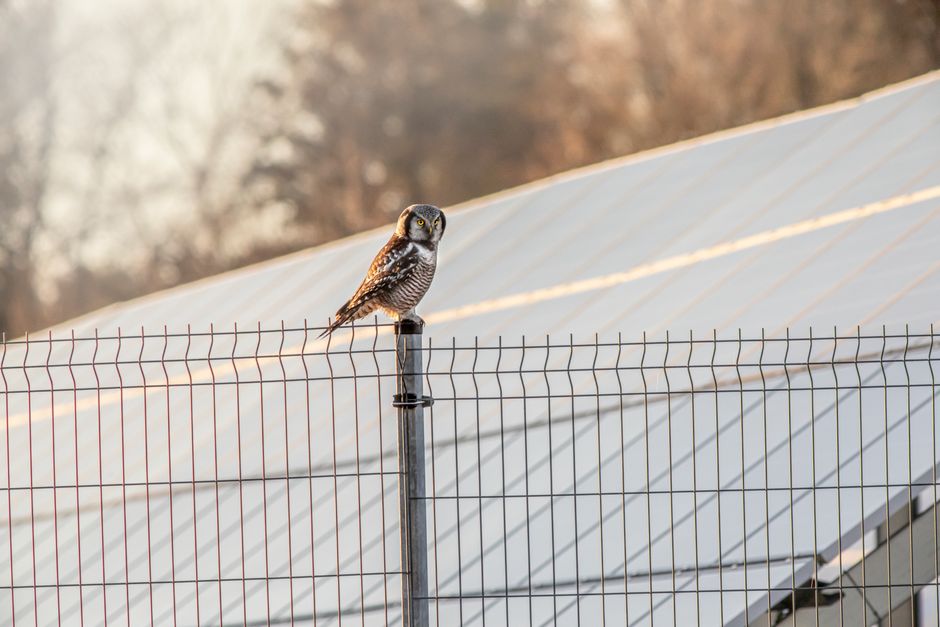
Something got under your panels. Maybe you heard scratching in the early morning and traced it back to the roof. Maybe a neighbor warned you about pigeons nesting under their array. Maybe you’re not even sure there’s a problem yet, but you’re about to get solar installed and you want to do this right the first time. Whatever brought you here, you’re asking the right question before things get expensive.
Here’s what I tell people who call me after the fact: bird and critter damage to solar systems is almost entirely preventable, and almost entirely ignored until it’s already happened. The installers who leave this conversation out of the quote process aren’t necessarily cutting corners on the panels themselves. They just know critter guard isn’t glamorous, it’s not in most standard packages, and most homeowners don’t know to ask for it.
Ask for it.
Why the Space Under Your Panels Is Basically a Five-Star Hotel for Wildlife
| Critter Type | Primary Damage | Frequency | Severity |
|---|---|---|---|
| Pigeons | Nesting, moisture retention, acidic droppings degrade shingles, panel soiling reduces output by 15%+ | Most common in U.S. | High |
| Squirrels | Chew wiring, DC cabling, conduit, micro-inverter leads | Less common than pigeons | Very High |
| Roof Rats | Similar to squirrels | Less frequent | Very High |
| Starlings | Similar to squirrels | Less frequent | Very High |
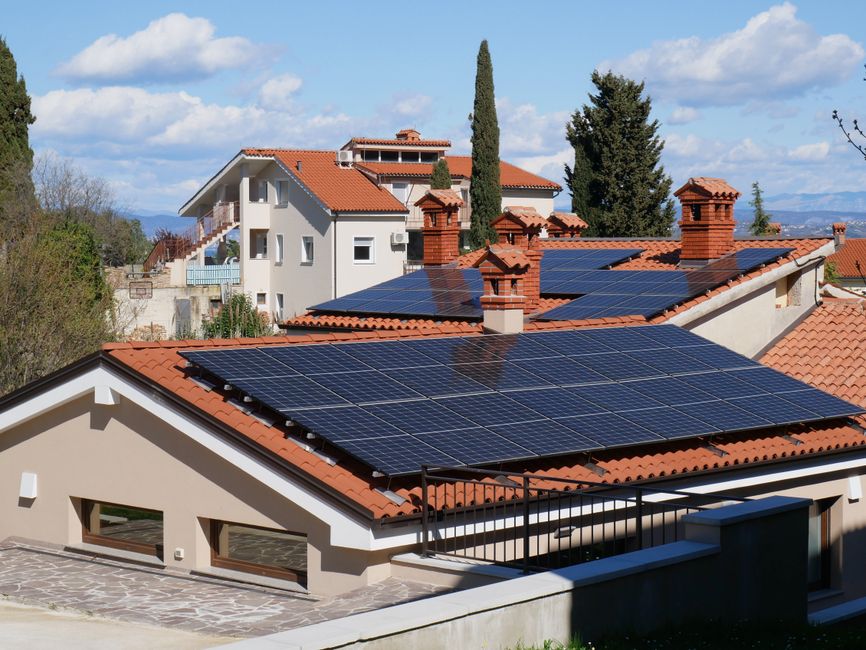
Your solar array creates a gap between the panels and your roof deck, typically 3 to 6 inches. That gap is dark, sheltered from wind and rain, warmer than the ambient air in winter, and elevated enough that most ground predators aren’t a concern. To a pigeon, a squirrel, or even a pack rat in the right climate, that’s a perfect nesting site.
Pigeons are the most common culprit in most of the U.S. They’re not just a nuisance. Pigeon nests hold moisture against your roofing material, and their droppings are acidic enough to degrade shingles over time. The nests themselves can block airflow under the panels, and the droppings accumulate on panel surfaces and reduce output. A study from the University of Waterloo found that sustained soiling from bird droppings can cut panel efficiency by 15% or more in affected areas. You probably won’t notice that on your monitoring app because the degradation is gradual.
Squirrels are a different problem entirely. They don’t nest as dramatically as pigeons, but they chew. Every wire under your panels, the DC cabling, the conduit, the micro-inverter leads, all of it is attractive to them. I’ve seen squirrel damage that required pulling the entire array for a rewire. That job cost the homeowner about $2,400 in labor alone because the damage wasn’t caught until the system started throwing fault codes.
Roof rats and starlings show up less often but can cause the same category of damage.
What Critter Guard Actually Is (And What It Isn’t)
Helpful resource: EG4 Battery Monitor Shunt for Solar Systems is a top-rated option for this. (As an Amazon Associate this site earns from qualifying purchases.)
Critter guard is a galvanized steel mesh that’s attached around the perimeter of your solar array, between the panel edge and the roof surface, to physically close off that gap. That’s it. It’s not high-tech. It doesn’t require electricity or maintenance. It just removes the opening.
The mesh is typically sold in rolls, pre-cut kits, or as clip-on systems designed for specific racking products. The clip-on systems, like the IronRidge Critter Guard or similar generic mesh kits (the site may earn a commission on purchases through these links), use a plastic or aluminum clip that attaches directly to the panel frame without penetrating the roof. That’s important. You want zero additional roof penetrations if you can avoid them.
Foam backer rod is sometimes sold as a cheaper alternative. Don’t do it. Foam compresses, breaks down in UV exposure, and doesn’t stop a determined squirrel for more than about two weeks. I’ve heard the sales pitch that it’s “just as effective” and I’ve also seen what happens in year two. Stick with metal mesh.
The mesh gauge matters. You want something in the 1/4 inch to 1/2 inch opening range. Larger openings let juvenile birds through. Smaller openings can restrict airflow more than necessary, though honestly airflow restriction is a minor concern compared to what a nest does.
Getting It Installed: DIY vs. Adding It to Your Solar Contract
How Many Solar Panels Do You Need? Follow This Easy Breakdown! · Top Homeowner on YouTube
If you’re getting a new system installed, push hard to have critter guard included in the contract before installation day. Adding it during the original installation takes maybe an extra hour per 20 panels. Adding it after the fact, once the racking is bolted down and everything is wired, takes longer and costs more because access is tighter. I’ve quoted both, and the retrofit job is consistently more annoying for everyone involved.
Expect to pay somewhere in the $300 to $700 range for critter guard on a typical 20 to 30 panel residential system, depending on your market and installer margins. Some companies bundle it. Most don’t. If a quote is silent on critter guard, just ask: “Is perimeter mesh included?” If it’s not, ask to add it. The cost is trivial relative to the system cost and even more trivial relative to a squirrel chew-through repair.
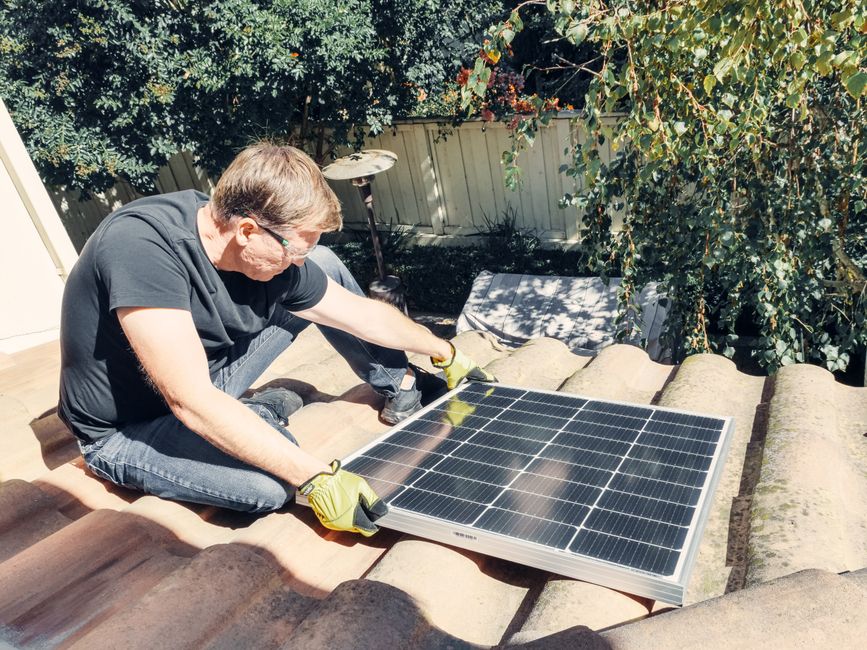
For the DIY homeowner doing a ground-mount system or willing to get on the roof carefully: a mesh kit with the appropriate clips is genuinely manageable if you’re comfortable at height and know how to move on a roof without damaging shingles. This type of mesh roll kit on Amazon gives you flexibility on sizing (the site may earn a commission). Measure your panel perimeter before ordering, add about 10% for overlaps and waste, and order clips sized for your specific panel frame thickness. Most residential panels run a 35mm or 40mm frame depth, but check your spec sheet.
The clips snap onto the frame edge, the mesh slides into the clip, and you cut it to length with snips. Work around the perimeter in sections. It’s genuinely not complicated if you’ve got basic mechanical aptitude. The part people get wrong is skimping on clips and ending up with sections of mesh that bow outward. Space your clips no more than 12 inches apart.
If You Already Have a Nest Under There
Stop here before you do anything, because there’s a legal layer to this most people don’t know about. If the birds nesting under your panels are migratory, they may be protected under the Migratory Bird Treaty Act. Removing an active nest with eggs or chicks in it can result in a fine. The U.S. Department of Energy’s resources on solar maintenance don’t cover this in much depth, but the U.S. Fish & Wildlife Service does, and it’s worth checking before you evict anything.
In practice: if you have pigeons and it’s nesting season (roughly March through September in most of the country), the practical move is to wait until the nest is vacated between broods, then remove it, clean the area, and install mesh immediately. Don’t wait another cycle.
For squirrels and rats, the nest removal and exclusion process is the same, but these aren’t protected and you can move faster. Clean out the debris, inspect every visible wire for chew marks before you close it up, and replace any compromised cabling before reinstalling the mesh. A home energy monitor like the Emporia Vue (the site may earn a commission) can help you see if production has dropped noticeably, which can point to wiring issues even before you do the visual inspection.
The honest summary of all of this is that critter guard is inexpensive insurance against a repair bill that almost certainly costs more than you’d expect. The Solar Energy Industries Association has noted that proper system maintenance, including physical protection of the array, extends system life and protects your investment over the 25 to 30 year lifespan of a modern installation. Closing off that gap under your panels is one of the few preventive measures with almost no downside and a very clear upside. Get it done at installation if you can, retrofit it if you can’t, and don’t wait for the scratching to start.
Sources
- EG4 Battery Monitor Shunt for Solar Systems
- IronRidge Critter Guard
- This type of mesh roll kit on Amazon
- home energy monitor like the Emporia Vue
- has noted
Disclosure: As an Amazon Associate, we earn a small commission from qualifying purchases at no extra cost to you. We only recommend products that genuinely support the topics covered in this article.
- Renogy 200W Solar Starter Kit + 30A Charge Controller (~$169), Complete beginner solar kit, 200W monocrystalline panel, charge controller, and mounting hardware included.
- Renogy 2×100W Monocrystalline Solar Panels (~$99), Expandable 200W panel set from the most trusted DIY solar brand, used widely in off-grid and home backup systems.
Recommended Resources
Disclosure: As an Amazon Associate, we earn a small commission from qualifying purchases at no extra cost to you. We only recommend products that genuinely support the topics covered in this article.
- Renogy 200W Solar Starter Kit + 30A Charge Controller (~$169), Complete beginner solar kit, 200W monocrystalline panel, charge controller, and mounting hardware included.
- Renogy 2×100W Monocrystalline Solar Panels (~$99), Expandable 200W panel set from the most trusted DIY solar brand, used widely in off-grid and home backup systems.