 Tom Bradley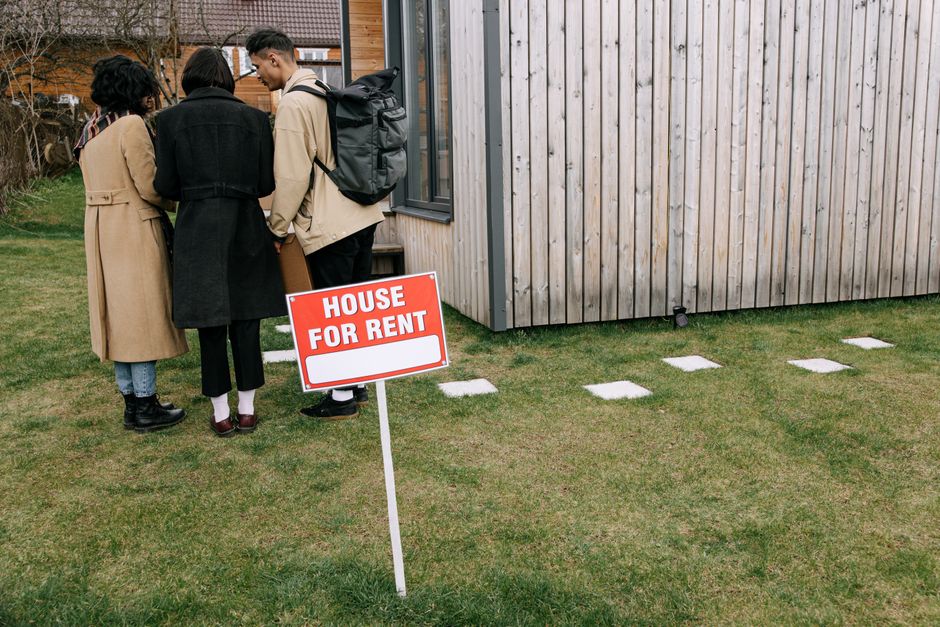
Most solar coverage assumes you own the roof. Full stop. The articles about tax credits, panel brands, and payback periods are written for homeowners, and if you’re renting, you’re supposed to feel vaguely left out and wait until you buy a house someday.
That framing is wrong, and it’s costing renters real money every month.
You don’t need to own property to cut your electricity bill with solar. You have four practical paths: community solar subscriptions, portable solar setups, balcony or plug-in solar systems, and negotiating with your landlord. Each has different tradeoffs in savings, effort, and hassle. Let me walk through all of them honestly, including where each falls short.
Community Solar: The Biggest Savings with the Least Setup
If you’re paying full retail rates to a utility and community solar is available in your state, stop reading right now and go sign up for it. Seriously. This is the one I push hardest for renters because you don’t touch any hardware, you don’t need landlord permission, and the savings are real.
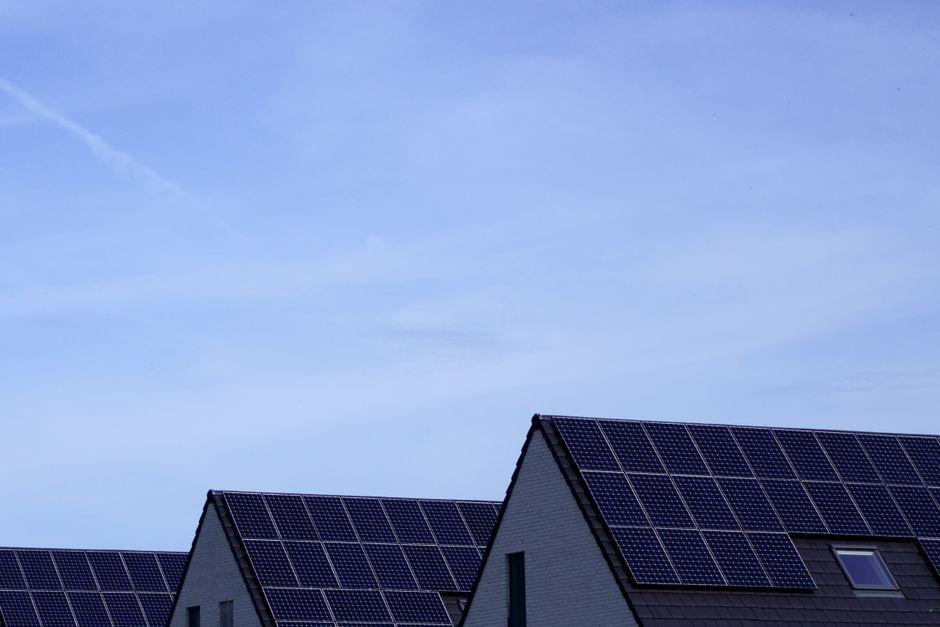
Here’s how it works: a solar farm gets built somewhere in your utility territory, often on farmland or a commercial rooftop. You subscribe to a share of its output. The energy feeds into the grid, and your utility credits your bill for your portion. You pay the solar operator a rate that’s typically 5 to 15 percent below your utility’s retail rate. EnergySage’s market data shows that community solar subscribers save an average of $150 to $200 per year, though I’ve seen higher depending on your state’s program structure and how aggressive the project pricing is.
The catch: availability is patchy. Strong in New York, Massachusetts, Illinois, Minnesota, and a handful of other states with decent policy support. Texas, Florida, most of the Southeast? Community solar is thin to nonexistent right now. Check your utility’s website or run a zip code search on EnergySage directly to see what’s in your area.
Before you sign anything, read the contract length and cancellation terms carefully. Some community solar agreements run month-to-month. Others lock you in for 20 years with a transfer clause that lets you exit if you move (and you need to read what “transfer” actually requires). If a sales rep glosses over the cancellation terms, ask three more times. Not twice. Three.
Portable Solar: Modest but Real, and Yours to Keep
Helpful resource: Jackery Explorer 300 Portable Power Station is a top-rated option for this. (As an Amazon Associate this site earns from qualifying purchases.)
A 200-watt portable panel hooked to a 500Wh battery station won’t replace your utility bill. But it can power your laptop, phone charging, desk lamps, a small fan, and a router for several days off a single sunny afternoon. If your electricity rate is $0.18/kWh or higher (which, post-2022, describes a lot of the country), those loads add up.
The Jackery Explorer 500 and the EcoFlow River 2 Pro are the two I’d point someone toward if they’re starting out. Jackery runs around $350-400 on its own, pairs with a 100W foldable panel for another $120-150. EcoFlow charges faster and handles higher-wattage appliances more gracefully, but it costs more. (Both are on Amazon, where prices fluctuate regularly and this site may earn a commission on purchases made through that link.)
What portable solar won’t do: power your HVAC, electric water heater, dryer, or anything else that draws heavy current. It’s an offset tool, not a replacement system. A well-used portable setup in a sunny climate might save $15 to $40 per month on electricity, depending on what you’re running through it. Not transformative. But it pays for itself in two to three years and moves with you when you leave.
Plug-In Solar (Balcony Solar): The Most Interesting Option Nobody in the US Talks About
Europe is way ahead of us here. In Germany, “Balkonkraftwerk” (balcony power plants) are so common they have their own regulatory framework. You mount a 300 to 800-watt panel array on a balcony railing or small ground mount, plug it directly into a standard outlet, and it feeds power back into your apartment’s internal circuit before your meter sees it. Your meter spins slower. Your bill drops.
In the US, it’s technically possible but legally murky. Some utilities explicitly forbid feeding generation back through a standard outlet. Others don’t prohibit it but don’t acknowledge it either. A few forward-thinking co-ops and municipal utilities are starting to address it.
If you want to try this, you need a microinverter designed for plug-in use (the Hoymiles HMS-800W-2T is the most commonly imported unit right now, around $150 to $200), panels, and a mounting solution for your specific balcony or window setup. Before you buy anything, check two things: your lease terms (some specifically prohibit exterior modifications or anything plugged into exterior outlets), and your utility’s interconnection rules for small systems. The U.S. Department of Energy’s homeowner solar guide doesn’t cover plug-in systems directly, but their overview of net metering rules is a useful starting point for understanding your utility’s framework.
I’m watching this space closely. The regulatory picture in the US will clarify over the next few years, and when it does, plug-in solar for renters will become a much bigger deal.
Talking to Your Landlord: Lower Odds, But Sometimes It Works
| Option | Setup Complexity | Landlord Permission | Estimated Savings | Portability |
|---|---|---|---|---|
| Community Solar | None | Not required | $150-$200/year | N/A (subscription-based) |
| Portable Solar | Low-Medium | Not required | $15-$40/month | Yes (moves with you) |
| Plug-In Solar | Medium | Check lease | Varies (utility-dependent) | Possible (with effort) |
| Landlord Negotiation | High | Required | Varies | No (fixed to property) |
Most renters assume this conversation is a dead end. Sometimes it is. But there are specific situations where landlords genuinely open to installing solar, and knowing which arguments land makes a difference.
The pitch that works: solar increases property value and lowers vacancy. A 2021 Zillow analysis found solar homes sell for 4.1% more on average. In markets where renters increasingly factor utility costs into their decision (basically everywhere with $0.20+ rates), a landlord offering lower electricity bills is offering something real.
The pitch that doesn’t work: “it would be great for the environment.” Your landlord is running a business, not an NGO.
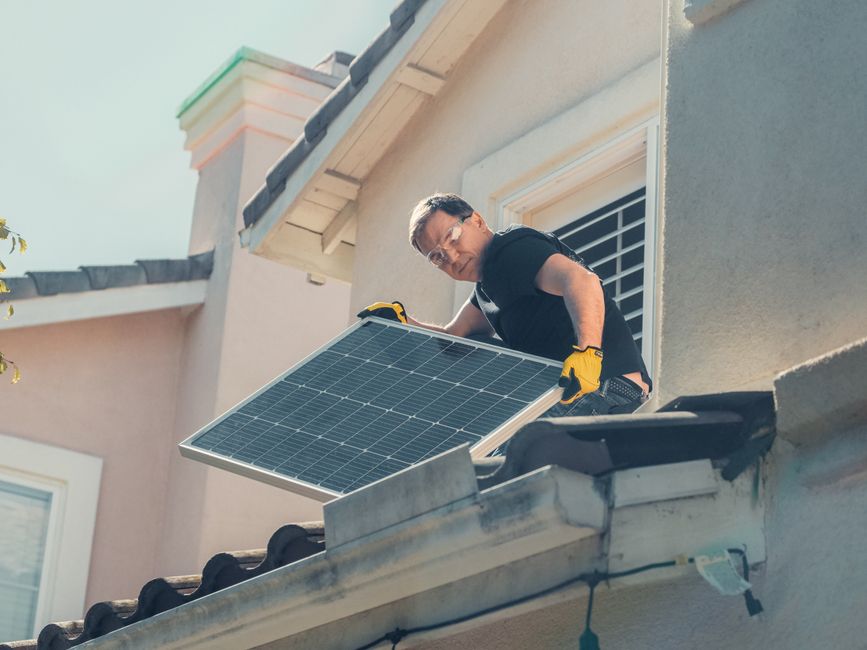
What actually moves the needle is presenting this as a financial proposition for them, not a favor to you. Pull together a rough system quote using EnergySage’s instant estimate tool (takes about three minutes), show the 30% federal tax credit still available under the Inflation Reduction Act through 2032, and model what a $12,000 system does to the property’s net operating income. Now you’re having a different conversation.
Even if they say no to a full rooftop system, some landlords will agree to let you install a small ground-mount or approve a balcony panel setup if you’re taking full responsibility for installation, permitting (yes, even small systems often need permits), and removal when you leave. Get everything in writing, including the removal terms. A handshake agreement becomes a dispute when you move out and the landlord decides the panels are now a fixture.
The HOA Problem Renters in Condos and Townhomes Face
Renting a condo or townhome? You may bump into HOA rules even though you don’t own the unit. Most states with solar access laws protect owners, not renters, from HOA restrictions. Your landlord technically has the right to install solar in many states; whether they want to fight that battle with the HOA is their call.
If you’re in California, Colorado, Florida, or about 25 other states with solar rights statutes, it’s worth mentioning to your landlord that the HOA may not legally be able to prohibit a rooftop installation on the unit. That changes the negotiation slightly. Still: this is a long-shot path for most renters. Don’t build your energy strategy around it.
The honest summary of where renters stand right now: community solar is the best deal on the table if your state offers it. Portable and plug-in options are useful supplements, especially if you’re handy and willing to do some homework on your utility’s rules. And the landlord conversation is worth having at least once, framed correctly, before you assume it’s impossible.
Your electricity bill doesn’t care whether you own the roof.
Sources
- Jackery Explorer 300 Portable Power Station
- Amazon
- EG4 Battery Monitor Shunt for Solar Systems
- Renogy 100W 12V Flexible Solar Panel
- Ivan S
Disclosure: As an Amazon Associate, we earn a small commission from qualifying purchases at no extra cost to you. We only recommend products that genuinely support the topics covered in this article.
- Renogy 200W Solar Starter Kit + 30A Charge Controller (~$169), Complete beginner solar kit, 200W monocrystalline panel, charge controller, and mounting hardware included.
- Renogy 2×100W Monocrystalline Solar Panels (~$99), Expandable 200W panel set from the most trusted DIY solar brand, used widely in off-grid and home backup systems.
- Kidde 10-Year Battery Smoke & CO Detector (~$32), Dual smoke and carbon monoxide detector with 10-year sealed battery, no battery replacement needed for a decade.
Recommended Resources
Disclosure: As an Amazon Associate, we earn a small commission from qualifying purchases at no extra cost to you. We only recommend products that genuinely support the topics covered in this article.
- Renogy 200W Solar Starter Kit + 30A Charge Controller (~$169), Complete beginner solar kit, 200W monocrystalline panel, charge controller, and mounting hardware included.
- Renogy 2×100W Monocrystalline Solar Panels (~$99), Expandable 200W panel set from the most trusted DIY solar brand, used widely in off-grid and home backup systems.