 David Torres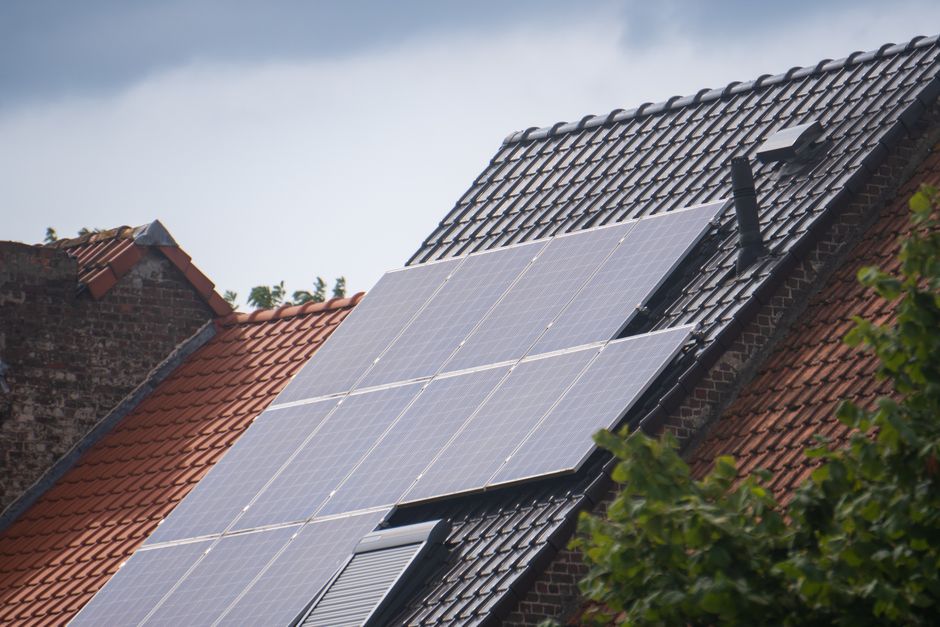
Most people come to me after they’ve already gotten one quote. Sometimes two. They’ve got a number in their head, they’re not sure if it’s fair, and they’re trying to figure out if they’re about to get taken. If that’s where you are right now, good. That’s exactly the right moment to slow down and understand what you’re actually buying.
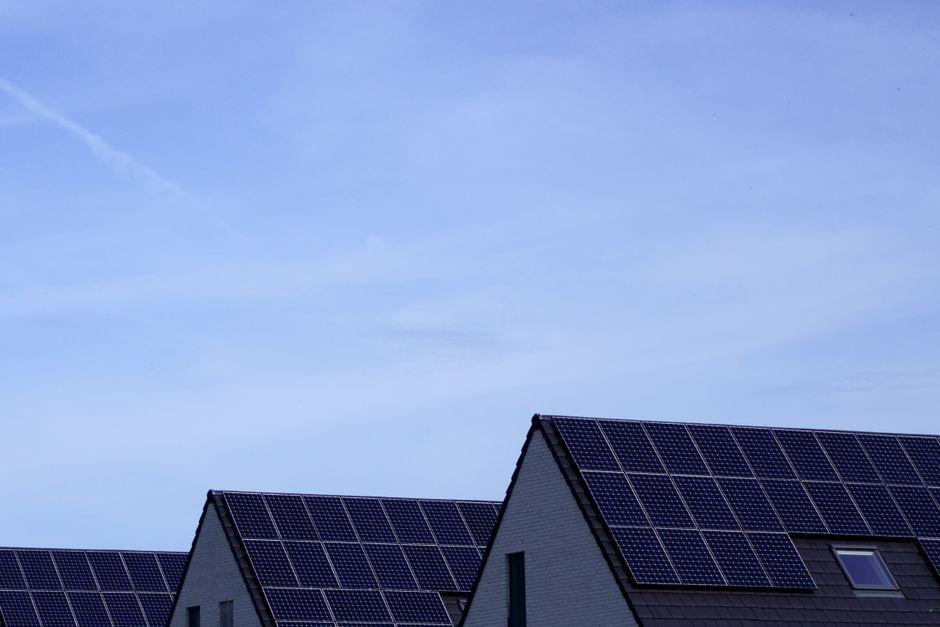
Shingle roofs are, by a wide margin, the most common solar installation surface in the United States. That’s both good and bad news. Good, because installers know how to work on them, the hardware is mature, and competition keeps prices honest. Bad, because “shingle roof solar” is a huge category with a lot of variation hidden inside it, and the number you saw in an ad or heard from a neighbor may be completely irrelevant to your situation.
Let me walk you through what actually drives the cost, where the real money goes, and what a fair number looks like in 2026.
What a Typical Shingle Roof Solar Installation Costs Right Now
As of July 2026, the average installed cost for residential solar on a shingle roof runs between $2.80 and $3.50 per watt before incentives. On a typical 8 kilowatt system, that puts you somewhere between $22,400 and $28,000 before the federal tax credit kicks in.
After the 30% federal Investment Tax Credit (which is still in place for 2026, though the long-term extension picture remains worth watching), you’re looking at a net cost somewhere in the $15,700 to $19,600 range for that same 8 kW system. State incentives, utility rebates, and local programs can push that lower still, but they vary so much by location that I won’t pretend a national average captures them.
You might be wondering: why such a wide range? A few factors swing it hard.
Roof pitch matters more than most people realize. A steeper pitch slows installers down, increases the number of safety setups required, and sometimes requires specialized mounting hardware. Labor on a 12/12 pitch can run 20-30% more than on a gentle 4/12. I’ve seen bids on identical system sizes differ by $3,000 based on roof angle alone.
Panel brand is another variable people underestimate. There’s a real difference between a system built around SunPower Maxeon or REC Alpha panels (premium efficiency, often $0.30-$0.50/watt more) versus mid-tier panels like Jinko Solar or LONGi, which are solid workhorses and where I’d tell most homeowners their money is well spent. Unless you have severe shading or very limited roof space where you genuinely need maximum watts per square foot, the premium efficiency panels rarely pencil out over the payback period.
The Shingle Roof Factor Specifically
Helpful resource: Govee WiFi Smart Plug with Energy Monitoring is a top-rated option for this. (As an Amazon Associate this site earns from qualifying purchases.)
Here’s where I want to get specific, because this part gets glossed over in most cost guides.
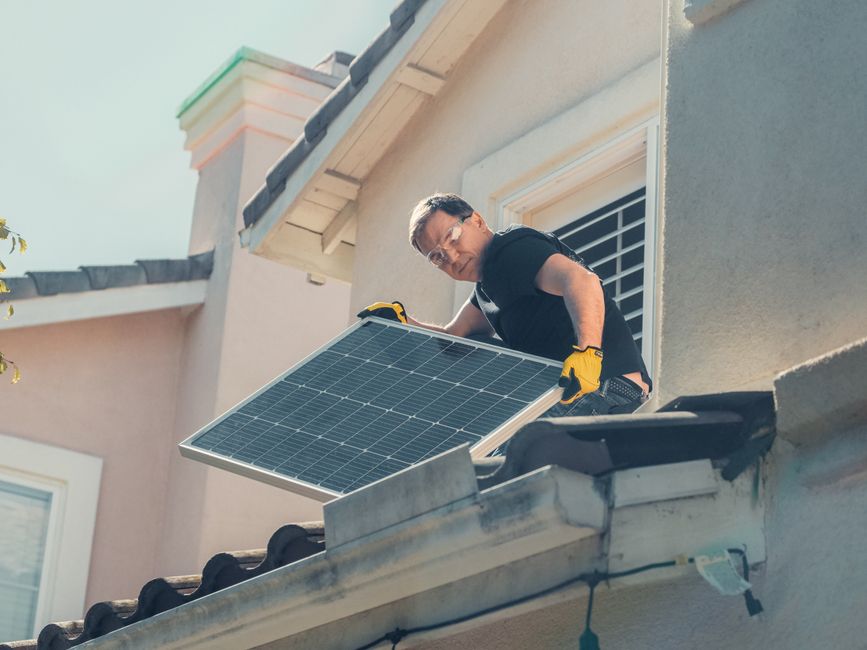
Asphalt shingle installations use what’s called a flashed roof mount. Installers drill through your shingles into the rafters, seal each penetration with flashing, and attach rails. Done correctly, this is watertight and durable. Done sloppily, it’s a future leak waiting to happen. This is genuinely the part I’d scrutinize most on any installer proposal.
The mount hardware itself (typically IronRidge XR or Unirac SolarMount systems) runs $0.20-$0.35 per watt, depending on configuration. That’s usually baked into the installed price, but if you’re comparing itemized quotes, it’s worth checking what racking system each installer is specifying.
Age and condition of your shingles also changes the math. If your roof is 15+ years old, many installers will recommend replacement before installation. Honest ones will tell you upfront. Less scrupulous ones will install on a marginal roof, pocket the install fee, and leave you dealing with a complicated warranty situation when your roof starts failing under the panels three years later. A reader emailed me last spring after exactly this happened to him in suburban Phoenix. The installer had noted the roof condition in fine print, but never flagged it verbally.
One more thing on the shingle side: if you have architectural shingles (the dimensional/laminate style), flashing compatibility is slightly different than with 3-tab shingles. It’s not a dealbreaker, but it does affect which flashing kits are appropriate. Good installers know this. Rushed ones sometimes don’t.
Where the Money Actually Goes
Is Solar worth it? My Experience 2 Years Later · Smart Home Solver on YouTube
| Cost Component | Percentage of Total | Dollar Amount (on $25,000 system) |
|---|---|---|
| Panels | 25-30% | $6,200-$7,500 |
| Labor | 20-25% | $5,000-$6,250 |
| Inverter(s) | 10-15% | $2,500-$3,750 |
| Racking and BOS | 10-12% | $2,500-$3,000 |
| Permits, inspections, interconnection | 6-10% | $1,500-$2,500 |
| Installer overhead and margin | Remainder | Variable |
I spent a week last year pulling apart itemized proposals from six different installers in a mid-sized Texas market. Here’s roughly where the cost breaks down on a $25,000 gross system:
- Panels: 25-30% of total cost ($6,200-$7,500)
- Labor: 20-25% ($5,000-$6,250)
- Inverter(s): 10-15% ($2,500-$3,750) – string inverter setups run cheaper; microinverter setups (Enphase IQ8 is the market standard right now) cost more upfront but give you panel-level monitoring
- Racking and BOS (balance of system): 10-12% ($2,500-$3,000)
- Permits, inspections, utility interconnection: 6-10% ($1,500-$2,500)
- Installer overhead and margin: the rest
The permit and interconnection piece is something a lot of homeowners don’t factor in. Depending on your jurisdiction, permit fees alone can run $200 to $800. Some California jurisdictions are notoriously slow on interconnection approvals, which doesn’t change your cost directly, but it means you might wait 4-10 weeks after physical installation before your system is live. Worth asking your installer what the typical timeline looks like in your specific utility service area.
Worked Examples
A few real-world scenarios that illustrate how these variables play out:
Scenario 1: A homeowner in the Atlanta suburbs with a 10-year-old 6/12 pitch shingle roof, modest shading, and 1,100 sq ft of usable south-facing space. Needed a 7.2 kW system. Went with LONGi panels and a SolarEdge string inverter with power optimizers. Total installed: $23,400 gross, $16,380 after federal credit. Payback estimated at 8.2 years based on $148/month average bill before solar.
Scenario 2: Same-sized system, but steeper 10/12 pitch with a 22-year-old shingle roof. Installer flagged the roof; homeowner replaced it first (Owens Corning Duration, $9,800). Combined project: $33,200 gross, $23,240 after credit (only the solar portion is credit-eligible). Payback stretched to 11.4 years, but they’re not staring down a roof replacement mid-solar-system-life.
Scenario 3: A homeowner who skipped the re-roof, went with a budget installer, and had two flashing leak points develop 18 months later. Repair cost: $1,400. That’s not a catastrophe, but it erased almost two years of electricity savings. I’ve seen this play out enough times that I tell people: the $200 difference between a careful installer and a rushed one is the worst trade you can make.
Red Flags When Getting Quotes
I want to be direct here, because this is where people get burned.
Be skeptical of any installer who doesn’t pull their own permits. Some smaller shops use subcontractors or try to use homeowner permits. That’s not always wrong, but it’s worth understanding who’s on the hook legally.
Watch the inverter spec. Some budget proposals swap in no-name microinverters to hit a lower price. Enphase and SMA are the names I trust. APSystems is acceptable. If you don’t recognize the brand, ask for the warranty terms and the company’s U.S. support presence.
Production guarantees are marketing, not math. An installer telling you “we guarantee $X in savings” is making assumptions about your usage patterns, utility rate escalation, and panel degradation that are educated guesses at best. The National Renewable Energy Laboratory (NREL) has done solid work on actual vs. projected solar output, and real-world performance typically comes in 5-12% below optimistic sales projections. Not a crisis, but plan for it.
According to the Solar Energy Industries Association (SEIA), the residential solar market continues to see strong installation growth, with costs declining year over year as supply chains stabilize. That’s a good backdrop for buyers.
Sources
- SEIA (Solar Energy Industries Association): U.S. residential solar market data, installation statistics, and policy tracking
- NREL (National Renewable Energy Laboratory): Research on solar system performance, PVWatts calculator, and real-world output studies
- EnergySage Market Data Report: Consumer solar quote comparison data including average installed costs by region
- IronRidge Installation Resources: Technical specifications for roof mount systems on residential shingle applications
- Database of State Incentives for Renewables & Efficiency (DSIRE): Comprehensive state-by-state solar incentive and rebate programs
If you’re still in the quote-gathering phase, the EnergySage marketplace is genuinely useful for getting multiple bids on a standardized basis. And if you want to track your system’s output once it’s installed, a home energy monitor like the Emporia Vue (available on Amazon – the site may earn a commission) pairs well with most inverter brands to give you real-time consumption data alongside your solar production. Knowing what you produce is only half the picture.
Recommended Resources
Disclosure: As an Amazon Associate, we earn a small commission from qualifying purchases at no extra cost to you. We only recommend products that genuinely support the topics covered in this article.
- Renogy 200W Solar Starter Kit + 30A Charge Controller (~$169), Complete beginner solar kit, 200W monocrystalline panel, charge controller, and mounting hardware included.
- Renogy 2×100W Monocrystalline Solar Panels (~$99), Expandable 200W panel set from the most trusted DIY solar brand, used widely in off-grid and home backup systems.