 Stephanie Walsh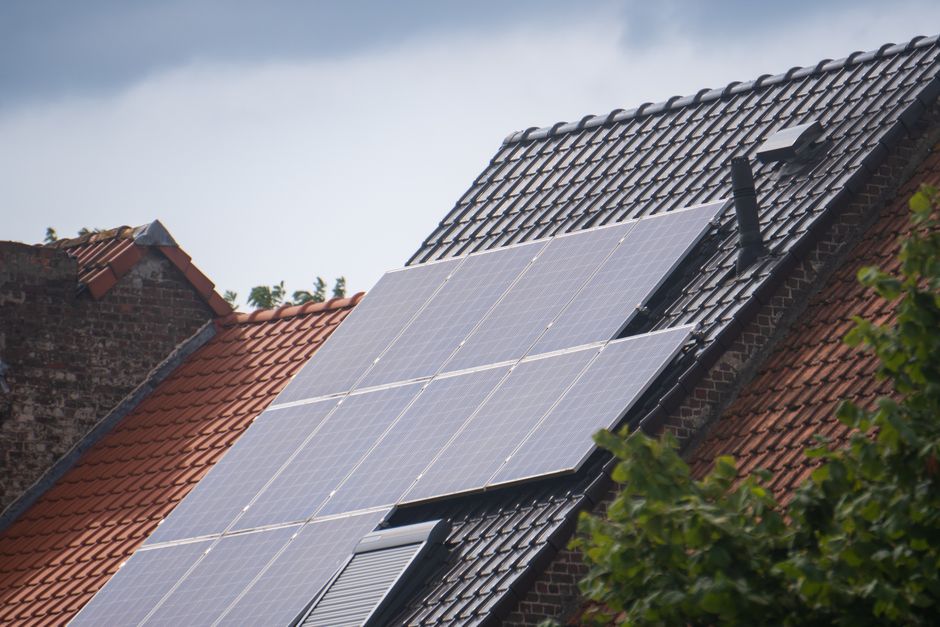
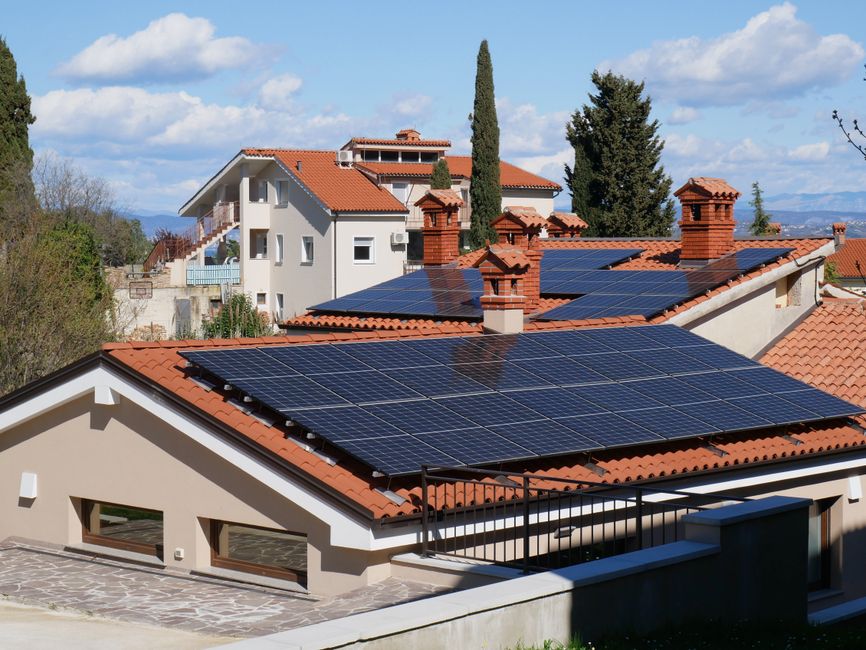
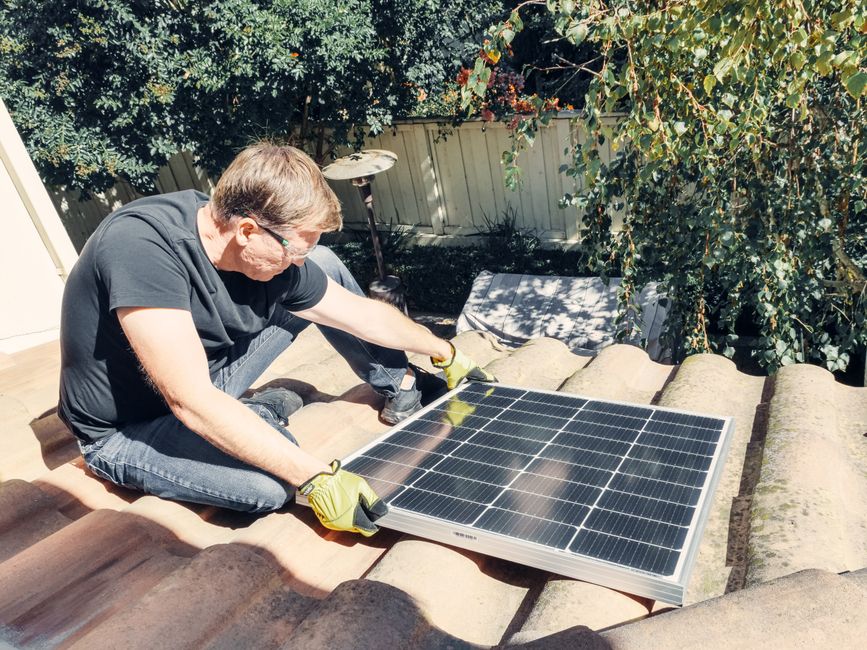
Tile roofs and solar panels have a complicated relationship. I’ll be honest: when I started doing installs on Spanish clay tile and concrete tile about six years ago, I assumed the process was basically the same as asphalt shingle work, just with prettier roofing underneath. I was wrong in ways that cost a homeowner a cracked $14-per-tile barrel tile and cost me an afternoon of apologizing.
The truth is that tile roof solar is its own skill set, and a lot of installers who do fine work on shingles will absolutely butcher a tile job. If you’ve got a tile roof and you’re pricing out solar, there are things you need to know before you sign anything.
Why Tile Changes Everything
On a shingle roof, a standard L-foot mount goes through the shingle, into the rafter, gets flashed, done. The whole process is relatively forgiving. Tile is different for two reasons: the material itself (whether clay, concrete, or slate) is brittle and often irreplaceable, and the installation geometry is completely different because tile creates an air gap between the tile surface and the roof deck.
That air gap is the thing most homeowners don’t realize is even there. When I pull up tile for the first time on a new job, the gap is usually between 1.5 and 3 inches, depending on the tile profile. That matters because the mounting hardware has to bridge that gap to reach the deck and the rafter below it, which means you can’t just use standard shingle hardware.
What surprised me was how few installers explain this to customers. You’ll often get a quote that just says “tile roof” as a line item with a $500-$1,500 adder, no explanation. That’s a red flag. If your installer can’t tell you exactly which mounting system they’re using and why it works for your specific tile profile, ask until they can.
Mounting Systems: What’s Actually Being Used
Helpful resource: Lutron Caséta Wireless Smart Dimmer Kit is a top-rated option for this. (As an Amazon Associate this site earns from qualifying purchases.)
There are three real approaches to tile roof solar mounting in 2026, and they differ significantly in labor, cost, and long-term roof integrity.
Tile replacement mounts (also called comp-out or tile-replacement mounts) remove the tile entirely at each attachment point and replace it with a purpose-built composite flashing that integrates flush with the surrounding tiles. This is the gold standard for clay barrel tile. The IronRidge TileMount and the SnapNrack TR-System are the two I’ve worked with most. They’re clean, they don’t require drilling through valuable tile, and they give a proper flashing seal around the penetration. The SnapNrack system in particular has a satisfying click when the standoff seats correctly.
Tile hook or tile hook-and-slide systems thread a metal hook underneath the tile above the attachment point, anchoring to the batten or deck without removing the tile at all. SolarFASTEN by QuickBOLT does this reasonably well on flat concrete tile profiles. The limitation: it doesn’t work on high-profile barrel tile, and you’re trusting the hook’s load distribution across the tile edge rather than a proper through-fastener into framing. I’ve seen these used on jobs where they were fine, and I’ve seen them used on jobs where a few tiles cracked under wind load two years later.
Comp-out patch approach removes a section of tile, lays composite shingle material, and mounts standard flashing hardware. Cheaper to install, but visually obvious from the street, and you’ve now got a multi-material roof that will age differently in the same spots your panels are attached. I’d push back if a contractor proposes this on a high-quality clay tile roof. It’s a cost-cutting move dressed up as a solution.
| Mounting Type | Best Tile Profile | Avg. Labor Adder per Attachment Point | Tile Risk | Long-Term Integrity |
|---|---|---|---|---|
| Tile Replacement (IronRidge, SnapNrack) | Barrel clay, concrete S-tile | $45-$75 | Low | Excellent |
| Tile Hook / Slide (QuickBOLT) | Flat concrete, low-profile | $25-$45 | Low-Medium | Good |
| Comp-Out Patch | Any (not recommended on clay) | $20-$35 | Medium | Fair |
| Lag through tile (avoid this) | None | $15-$25 | High | Poor |
That last row is the one to watch for. Some installers still lag directly through tile. Don’t let them. A cracked tile isn’t just cosmetic: it’s a future leak point and, depending on the tile, can cost $25-$80 per tile to replace.
Permits, Structural Concerns, and the Inspector Question
Complete Hybrid Solar Inverter Wiring Installation | How to Install at Home · Electrical Technologies on YouTube
Here’s a scenario that plays out more than it should: a homeowner in Phoenix with a 1990s home on a concrete tile roof gets a solar quote, the installer pulls a standard residential solar permit, the inspector comes out, and nobody has looked at the rafter spacing or the existing dead load the tiles are already placing on the structure.
Tile is heavy. A concrete tile roof runs 9-12 lbs per square foot. Clay can be 5.5-10 lbs/sq ft depending on profile. You’re adding panel weight (typically 2.5-4 lbs/sq ft depending on the module), mounting hardware, and wiring. In most jurisdictions, any structural adder to a roof triggers a review of the existing dead load versus the rafters’ rated capacity. A good installer orders a structural engineering letter before permit submission. If your quote doesn’t mention structural review and your house is pre-2000, ask.
I worked with a homeowner in Scottsdale last year, David, who had three competing bids. Only one of the three mentioned a structural letter. That wasn’t a coincidence: the other two were counting on the inspector either missing it or approving it without scrutiny. The honest installer’s bid was about $600 higher because of the engineering review. It was worth it.
As of July 2026, most California jurisdictions and several Florida counties have tightened their inspection protocols specifically around tile roof solar following some high-profile leak complaints. If you’re in either state, expect more scrutiny than you would have seen even two years ago.
Real Costs, Not Ballpark Guesses
EnergySage’s market data puts the national average solar install at roughly $2.85-$3.15 per watt before incentives in mid-2026. Tile roof jobs typically add $0.20-$0.50 per watt to the final price, depending on tile type, pitch, and roof complexity.
Three real-ish scenarios from my experience:
Homeowner in Tucson with a 2,400 sq ft home, concrete S-tile, 8kW system, 28 attachment points using QuickBOLT hooks → $28,400 installed before the federal tax credit → after the 30% ITC, effective cost approximately $19,880. System has been producing for 14 months, no issues.
Homeowner in Naples, Florida with clay barrel tile, same 8kW system but 32 attachment points requiring full tile-replacement mounts → $31,600 installed before ITC → after credit, $22,120. Labor alone was $2,800 higher than the Tucson job because of tile handling time.
Homeowner in San Jose on concrete flat tile, 6.4kW system, found two cracked tiles post-install (contractor paid for replacement, $310 in tiles plus a roofer’s visit) → total add-on cost was absorbed by installer but caused a two-week delay and a strained relationship. Lesson: always walk the roof with the installer before and after, photo documented.
The National Renewable Energy Laboratory has published data showing tile roof solar systems don’t underperform their shingle counterparts once properly installed. The output is the same. You’re just paying for more careful installation.
Red Flags to Watch For Before You Sign
You’re probably thinking some of this is obvious, but I get emails from readers who ignored these signs and regret it.
An installer who doesn’t ask what type of tile you have before quoting is winging it. The profile matters. The age matters. Whether replacement tile is still in production matters enormously, because discontinued clay tile can run $18-$40 per tile if you need replacements.
No mention of a leak warranty specific to roof penetrations is a problem. A general workmanship warranty isn’t the same as a specific commitment to cover water intrusion at mount points. Get that in writing, separate from the panel warranty.
Installers who subcontract the actual roof work to a crew that has never done tile before: this happens more than you’d expect in high-volume solar markets. Ask who’s physically going on the roof, and ask what tile roofs that crew has completed in the last six months. A legitimate crew will have photos.
And if anyone suggests removing all the tile and re-roofing with shingles just to accommodate the solar install, that’s not a solution. That’s someone who doesn’t want to do the hard work.
Sources
- National Renewable Energy Laboratory (NREL): Research on rooftop solar system performance and structural load considerations
- EnergySage Market Data: Solar installation pricing trends, mid-2026 marketplace data
- IronRidge TileMount Installation Guide: Manufacturer documentation for tile-specific mounting hardware
- Florida Building Commission Solar Rooftop Standards: State-level inspection requirements updated through 2025
- Solar Energy Industries Association (SEIA): Industry data on residential solar installation volumes and regional variance
Recommended Resources
Disclosure: As an Amazon Associate, we earn a small commission from qualifying purchases at no extra cost to you. We only recommend products that genuinely support the topics covered in this article.
- Renogy 200W Solar Starter Kit + 30A Charge Controller (~$169), Complete beginner solar kit, 200W monocrystalline panel, charge controller, and mounting hardware included.
- Renogy 2×100W Monocrystalline Solar Panels (~$99), Expandable 200W panel set from the most trusted DIY solar brand, used widely in off-grid and home backup systems.