 David Torres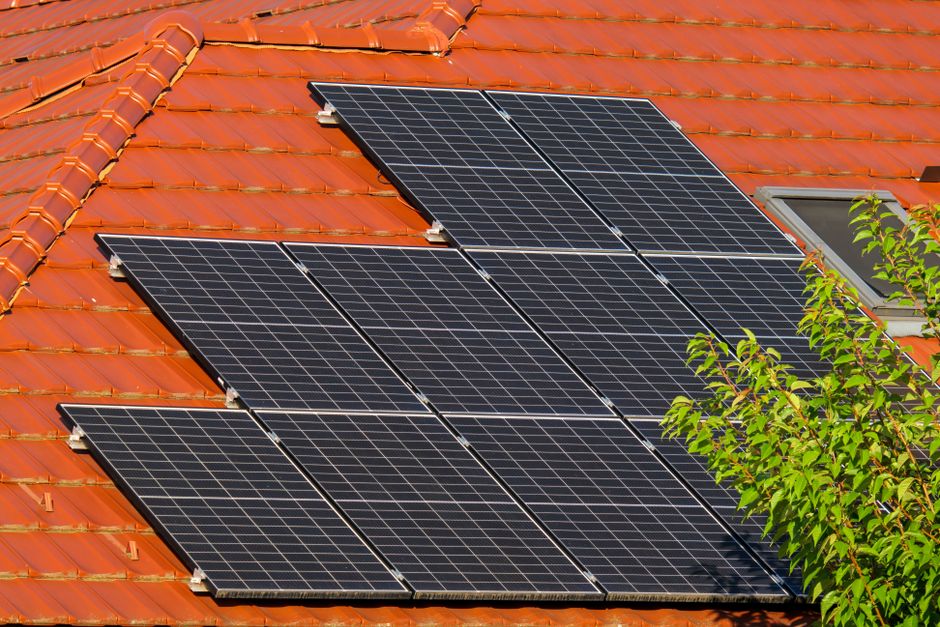
If you’ve been thinking about going solar this summer, you’ve probably noticed that the conversation has changed. The quotes look different, the financing options sound unfamiliar, and a salesperson may have mentioned something about a “prepaid lease” or a “third-party arrangement” without fully explaining what that means for you. You’re not imagining things. The rules changed dramatically on January 1, 2026, and the industry is still figuring out how to talk to homeowners about it honestly.
Here’s what happened: the One Big Beautiful Bill Act, signed July 4, 2025, eliminated the Section 25D residential solar tax credit nearly a decade ahead of its original 2034 expiration. If you buy a solar system with cash or a loan in 2026, you get zero federal tax credit. Gone. For a typical 7.2 kW system, that’s roughly $6,544 in federal money that used to be sitting on the table, according to SolarReviews. That’s a real hit, and it’s reshaping how homeowners can realistically afford to go solar right now.
The timing matters in another way too. Third-party owned systems, meaning leases and power purchase agreements (PPAs), are still eligible for a 30% commercial investment tax credit through 2027, but the safe-harbor construction deadline for locking in that credit was July 4, 2026. That window just closed. What’s in the pipeline is in the pipeline. Everything from here forward operates under new conditions, and that’s exactly why this is the right moment to understand what a prepaid lease actually is.
- Homeowners who buy solar in 2026 receive 0% federal tax credit, losing roughly $6,544 on a typical 7.2 kW system.
- Third-party leases and PPAs can still capture the 30% commercial ITC, but the safe-harbor deadline passed July 4, 2026.
- Prepaid PPAs require roughly 70% of system cost upfront; ownership eventually transfers to you.
- SEIA data shows residential installs were up 6% in Q1 2026, but a market contraction is expected through the remainder of the year.
- A prepaid lease can make financial sense, but the contract terms determine everything.
What the Credit Loss Actually Costs You
Let’s be direct about the math. Before 2026, a homeowner buying a $22,000 solar system could claim a $6,600 federal tax credit. That credit reduced their effective cost to about $15,400. Today, that same purchase costs $22,000, full stop, assuming no state incentives. Some states have their own credits or rebates that partially soften the blow, but most don’t come close to replacing the federal 30%. If you’re in a state without strong local incentives, you’re absorbing the full difference. That changes your payback period meaningfully, often from 7-9 years to 10-12 years depending on your utility rates and system performance.
What this also does is change how solar loan products pencil out. Many loan structures were quietly sized around the assumption that a borrower would use their tax credit to pay down the loan principal in year one. Without that credit, some of those loan agreements leave homeowners holding higher balances than they anticipated. Read any loan agreement carefully before you sign, specifically looking for language about “required credit application” or year-one principal reduction assumptions.
How Prepaid Leases Actually Work
Helpful resource: Jackery SolarSaga 100W Solar Panel is a top-rated option for this. (As an Amazon Associate this site earns from qualifying purchases.)
A prepaid PPA is not a traditional lease and it’s not a straight purchase. Here’s the basic structure: a third-party company technically owns your solar system. Because they own it as a commercial asset, they can claim the 30% Section 48E commercial investment tax credit. You pay that company roughly 70% of the system’s total cost upfront as a prepayment. The company uses part of the ITC benefit to discount what you owe. After a set period (typically 5-7 years), ownership of the system transfers to you.
According to EnergySage, prepaid PPAs have rapidly become the dominant post-credit financing structure in 2026 precisely because they’re the primary way a homeowner can indirectly access federal incentives they can no longer claim directly. The deal is structured so the tax credit benefit gets partially passed back to you through the discounted upfront price.
| Feature | Cash/Loan Purchase | Prepaid PPA |
|---|---|---|
| Federal tax credit | $0 (0%) | Partially passed through via pricing |
| Upfront cost | Full system cost | ~70% of system cost |
| Ownership | Immediate | Transfers after 5-7 years |
| Warranty/maintenance | Your responsibility | Third-party owner’s responsibility during term |
| Resale/title complexity | Simple | More complex until transfer |
| System customization | Full control | Limited by third-party terms |
The table makes prepaid PPAs look attractive on cost, and they can be. But the fine print matters enormously here. You need to know exactly when and how ownership transfers, what happens if the company goes out of business, who handles maintenance and insurance during the ownership period, and whether there are any performance guarantees. These are not hypothetical concerns. Several solar finance companies have had financial difficulties in recent years, and a contract with a company that folds before ownership transfers puts you in a difficult position.
What the Market Is Actually Doing Right Now
SEIA’s Q2 2026 Market Insight Report shows residential installations hit 1,179 MWdc in Q1 2026, up 6% year-over-year. That sounds healthy. But most of that growth was a rush of late-2025 projects trying to capture the expiring 25D credit before the clock ran out. The pipeline that built that number is largely exhausted. BloombergNEF has been direct about what comes next, warning the industry faces a potential collapse in 2026 and is not expected to recover to 2023 record levels within the next decade.
What that means practically for you as a homeowner shopping for solar: installer pricing is getting more competitive. Some installers who were booked six months out in 2024 are now looking for work. That’s worth knowing before you accept the first quote you get. Get at least three quotes. The spread between high and low bids on a typical residential system can be $4,000 to $8,000 right now, and you have negotiating leverage that didn’t exist 18 months ago.
Red Flags to Watch For Right Now
The credit expiration has created a new wave of questionable sales tactics. Here’s what I tell people to watch out for:
Any sales pitch that implies you can still claim the 30% credit as an individual buyer is simply false. The Section 25D credit is gone for 2026 purchases. Walk away from anyone still using that as a selling point.
Watch for prepaid PPA offers where the company is vague about the transfer timeline or where the “discount” being offered doesn’t clearly explain how the ITC benefit is being calculated and passed through. A reputable company will show you the math on paper.
Also watch for urgency pressure around the July 4 safe-harbor deadline now that it’s passed. Any pitch telling you that you need to act immediately to catch a closing window is working with an expired hook. The safe-harbor construction deadline has come and gone. If a company is still using it as a sales lever in July 2026, they’re either confused or hoping you are.
State Incentives Are Now the Main Lever
With the federal credit gone for direct purchases, your state program is doing more work than it ever had to before. California’s SGIP battery storage incentive, New York’s state credit worth up to $5,000, and programs in Massachusetts and Minnesota are genuinely meaningful now in a way they were almost secondary before. If you’re in a state with a strong net metering policy or a dedicated solar incentive, run those numbers carefully, they may restore more of the economics than you expect.
If your state has weak or no incentives and you’re also in a low-electricity-rate market, the honest answer is that the math for solar has gotten harder. A prepaid PPA may still make sense, but the payback period and the value proposition need to be run against your specific utility rates, not a national average. SunWise USA has a reasonable breakdown of the current state-by-state picture if you want to start there before talking to any installer.
The credit is gone, the safe-harbor window just closed, and the market is sorting itself out in real time. That’s a disorienting moment, but it doesn’t mean solar is off the table. It means you need to understand what you’re signing more carefully than ever before, ask harder questions, and not let urgency pressure you into skipping the contract review. The installers and finance companies worth working with will welcome those questions.
Sources
- The Federal Solar Tax Credit: What’s New in 2026 , SolarReviews (July 2026)
- Solar Market Insight Report Q2 2026 , SEIA (July 2026)
- 5 Questions Answered as Solar Tax Credits Phase Out , E&E News (July 2026)
- Prepaid Solar Leases & PPAs: A New Path for Going Solar in 2026 , Solar.com (June 2026)
- Pre-Paid Solar Leases and PPAs: Are They Worth It in 2026? , EnergySage (January 2026)
- Solar Financing in 2026: What Changed and What Options Remain , SunWise USA (July 2026)
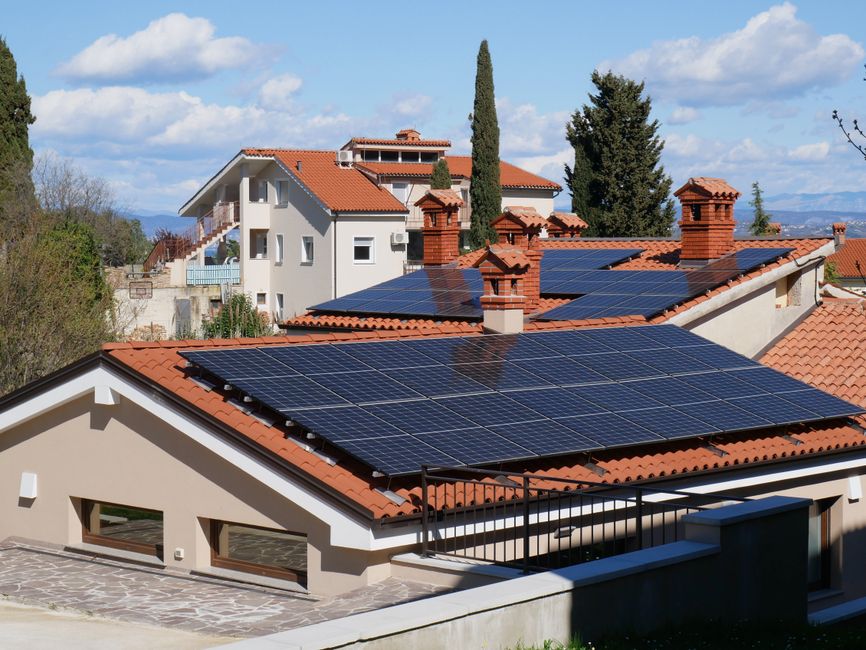
Photo: Vladimir Srajber via Pexels
Recommended Resources
Disclosure: As an Amazon Associate, we earn a small commission from qualifying purchases at no extra cost to you. We only recommend products that genuinely support the topics covered in this article.
- Renogy 200W Solar Starter Kit + 30A Charge Controller (~$169), Complete beginner solar kit, 200W monocrystalline panel, charge controller, and mounting hardware included.
- Renogy 2×100W Monocrystalline Solar Panels (~$99), Expandable 200W panel set from the most trusted DIY solar brand, used widely in off-grid and home backup systems.