 Stephanie Walsh
A cracked solar panel is one of those things that looks worse than it sometimes is, and also sometimes way worse than it looks. I’ve seen both.
The call I get most often goes something like this: homeowner goes up on the roof to clean their panels (or, more often, their kid throws a baseball, a hailstorm rolls through, or a roofer drops something), and now there’s a visible crack running across one of the cells. The immediate panic is understandable. These things cost money. But before you call your installer in a spiral, there are a few things you need to check first, because the right response depends entirely on what kind of crack you’re dealing with.
First: Assess What You Actually Have
| Crack Type | Visibility | Glass Intact | Impact on Output | Action Required |
|---|---|---|---|---|
| Microcracks | Not visible to naked eye | Yes | Gradual degradation over time | Monitor; replace if network develops |
| Visible cell cracks | Clearly visible line or spider-web pattern | Yes | 10-30% reduction on clear day | Replace panel |
| Shattered/breached glass | Obvious damage | No | Immediate risk; full system risk | Remove from service immediately |
Not all cracks are equal. This matters more than most people realize, and getting it wrong will cost you.
There are three basic scenarios:
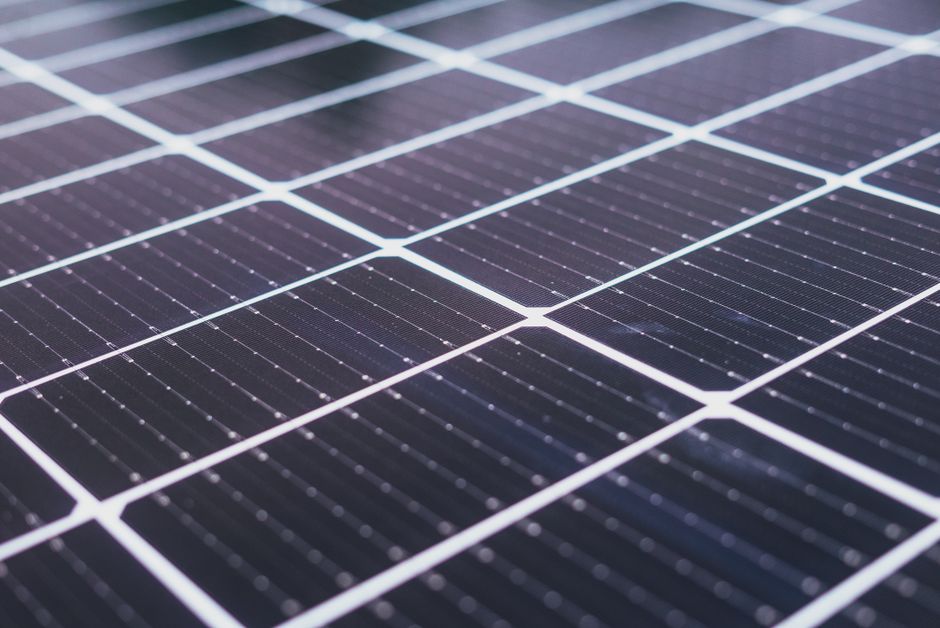
Microcracks are tiny fractures within the silicon cells themselves. You usually can’t see these with the naked eye. They’re often caused by thermal cycling, installation stress, or manufacturing defects, and they’re more common than the industry likes to admit. The National Renewable Energy Laboratory (NREL) has documented microcracks as one of the leading causes of gradual panel degradation in residential systems. A single microcrack might not do much. A network of them, especially if they cross multiple cells, will reduce output measurably over time.
Visible cell cracks are the ones homeowners actually call me about. You can see them: a line or spider-web pattern across one or more cells beneath the glass. The glass itself may still be intact. If that’s the case, the panel might still be producing power, but it’s compromised. Rain, thermal expansion, and UV exposure will make it worse.
Shattered or breached glass is the urgent one. If the tempered outer glass is broken through, that panel needs to come offline. Full stop. Water intrusion into the laminate leads to delamination, internal arcing, and in bad cases, fire. I’ve seen an insurance adjuster’s photos from a roof fire traced back to a cracked panel that the homeowner decided to “monitor for a while.” Don’t do that.
How to Check Output Without Climbing on the Roof
Helpful resource: Jackery Explorer 300 Portable Power Station is a top-rated option for this. (As an Amazon Associate this site earns from qualifying purchases.)
Here’s where a home energy monitor earns its keep. If you have a system with module-level monitoring (Enphase microinverters or SolarEdge optimizers give you per-panel data), go check your app right now. A cracked panel will show reduced output relative to its neighbors, often 10-30% lower on a clear day.
If you don’t have module-level monitoring, you’re flying blind. Your system inverter will show total output, but a single underperforming panel in a string can drag down the whole string without screaming “panel 7 is broken.” This is one reason I’ve come around pretty hard on microinverters for new installs, despite the higher upfront cost.
If you want to do a quick sanity check yourself, a home energy monitor like the Emporia Vue Gen 2 (the site may earn a commission on purchases) can give you a whole-system view that at least tells you if total output has dropped after the incident.
Worked example: A homeowner in Phoenix contacted me after hail in April. One panel had a visible crack across two cells, glass intact. His Enphase app showed that panel producing 22% less than the adjacent panels on a 78-degree clear morning. After replacement, his system output recovered exactly that delta. Total cost: one panel at $310 plus $180 labor.
Do Not Do This
Plugged A Solar Panel Into My Home For 7 Days | Here's What Happened · Everyday Solar on YouTube
I want to be direct here because I’ve watched people make these mistakes, including, honestly, myself early on.
Don’t seal a cracked panel with caulk, epoxy, tape, or any DIY patch. I understand the impulse. It looks like it should work. It doesn’t. The glass isn’t the structural issue, the cell degradation underneath is, and you’ve now potentially trapped moisture inside the laminate and voided any remaining warranty in one move. I tried a “temporary” silicone seal on a cracked test panel about eight years ago just to see. Within two months, the cell beneath had developed black spots from moisture intrusion. The panel was dead.
Don’t keep a cracked panel wired into your system if the glass is breached. This isn’t me being overcautious. The U.S. Department of Energy’s homeowner solar guide is pretty explicit about the fire and electrical hazard risks of damaged panels. If water gets to the wiring or busbars, you can get ground faults or arcing at DC voltages, and DC arcs don’t extinguish the way AC arcs do.
Warranty, Insurance, and Who Actually Pays
This is where people get the most frustrated, and reasonably so.
Most tier-1 panels (LG, REC, Qcells, Panasonic) carry a 10-12 year product warranty covering manufacturing defects and a 25-30 year performance warranty. But here’s the part manufacturers don’t highlight: physical damage from external impact is almost never covered under the product warranty. Hail, a falling branch, a clumsy roofer, a baseball, those are homeowner’s insurance claims, not manufacturer warranty claims.
If the crack looks like it propagated from the inside out, or developed without any obvious impact event, that’s a different conversation. Delamination and cell cracking from manufacturing defects have been documented issues with several panel brands, and in those cases, the manufacturer warranty should apply. Document everything with photos and request a warranty claim in writing.
For homeowners insurance: check whether your policy covers “other structures” or specifically lists solar equipment. As of June 2026, most standard HO-3 homeowner policies do cover rooftop solar panels as part of the dwelling structure, but deductibles apply, and some insurers have started adding solar-specific riders. A claim for one panel at $300-400 might not clear your deductible anyway. Two or three panels after a hail event absolutely might.
Worked example: A reader from Colorado emailed me last winter after a hailstorm cracked four panels on her 9.6 kW system. The manufacturer declined the warranty claim (impact damage). Her homeowner’s insurance covered replacement minus a $1,000 deductible. Total out-of-pocket was $940 on a $2,100 repair. Without the insurance claim, she’d have paid the full amount.
Getting It Replaced: What to Expect
Assuming you’ve confirmed you need a replacement, here’s the practical path.
First, check whether your original installer is still in business. Installer turnover in this industry has been significant, and a lot of companies that were doing installs in 2020-2022 are gone. If yours is still around, call them first. They know your system, your roof penetrations, your inverter brand, and they may have your original panel batch in stock or be able to match it.
If you need to source a panel independently, your main goal is to match wattage and, importantly, Voc (open-circuit voltage) and Isc (short-circuit current) as closely as possible. Mismatched panels in a string cause losses across the entire string, not just the replaced panel. A solar electrician (not just a general electrician) should pull the permit and do the swap. Yes, even for one panel. Yes, it’s annoying. A permit protects you if you ever sell the house or file an insurance claim.
Current panel pricing as of this year: a 400W residential panel runs roughly $200-380 depending on brand and availability. Labor for a single panel swap typically runs $150-300. Expect the whole job to be $400-650 if it’s uncomplicated.
Worked example: A DIYer in Oregon sourced a replacement panel himself (saved $80) but had a licensed solar installer do the swap and pull the permit. Total cost: $510. His system output matched pre-crack levels within 3% once the new panel was installed.
Sources
- National Renewable Energy Laboratory (NREL): Research on microcrack prevalence and panel degradation mechanisms in residential PV systems
- U.S. Department of Energy, Homeowner’s Guide to Going Solar: Official guidance on residential solar safety, installation, and maintenance
- NREL: Photovoltaic Module Reliability Workshop Proceedings: Industry documentation of common PV failure modes including delamination and cell fracture
- Solar Energy Industries Association (SEIA): Data on residential panel pricing and installer market conditions, current as of 2026
- Insurance Information Institute: Guidance on homeowner’s insurance coverage for rooftop solar equipment
FAQ
Is a cracked solar panel dangerous?
It depends on the damage. A hairline crack in a cell with intact glass is a performance issue, not immediately a safety hazard. A panel with breached or shattered glass should be taken offline immediately, as water intrusion can cause arcing and fire risk. When in doubt, disconnect it.
Can a cracked solar panel still produce electricity?
Yes, often it can. Cracked cells still conduct electricity, just less efficiently. Depending on the severity, a cracked panel might produce 10-40% less than its rated output. That said, the damage typically worsens over time with weather exposure, so “still working” doesn’t mean “leave it alone.”
Will my homeowner’s insurance cover a cracked solar panel?
Most standard HO-3 homeowner policies cover rooftop solar panels as part of the dwelling structure, so damage from hail, falling objects, or storms should be claimable. Your deductible applies, and some insurers now require a separate rider for solar equipment, so check your specific policy language before assuming you’re covered.
Does a cracked panel void my system warranty?
Physical damage from external impact voids the manufacturer’s product warranty on that panel, yes. But it doesn’t affect your other panels’ warranties, and it doesn’t affect the workmanship warranty from your installer (unless they caused the damage). If the crack appeared without any impact event, that may actually be a warranty claim against the manufacturer.
How do I know if my cracked panel is affecting my whole system’s output?
If you have microinverters or power optimizers with module-level monitoring, your app will show the underperforming panel directly. If you have a string inverter without per-panel monitoring, you’ll need to compare your current system output to historical data for similar weather days, or have a technician do a string test. A drop of even one cracked panel can drag down an entire string by 15-25%.
Recommended Resources
Disclosure: As an Amazon Associate, we earn a small commission from qualifying purchases at no extra cost to you. We only recommend products that genuinely support the topics covered in this article.
- Renogy 200W Solar Starter Kit + 30A Charge Controller (~$169), Complete beginner solar kit, 200W monocrystalline panel, charge controller, and mounting hardware included.
- Renogy 2×100W Monocrystalline Solar Panels (~$99), Expandable 200W panel set from the most trusted DIY solar brand, used widely in off-grid and home backup systems.