 Stephanie Walsh
Most homeowners buying solar get handed a production estimate built around a 0.5% annual degradation rate and told not to worry about it. I used to repeat that number myself. What I found when I actually went looking at real field data is that the story is a fair bit messier than that, and the difference between a good panel and a mediocre one over 25 years is worth understanding before you sign anything.
Here’s the short version: your panels will produce less power every year. That’s guaranteed, physics, not a defect. The question is how much less, and that depends on factors most sales reps won’t mention because they don’t affect the quote they’re trying to close.
What Degradation Actually Means (and What It Doesn’t)
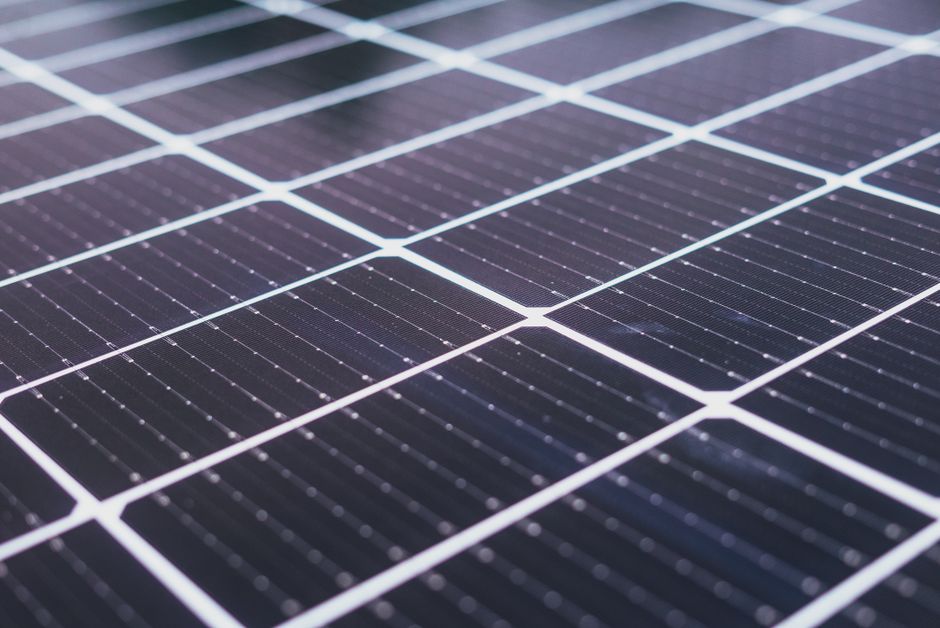
Panels don’t burn out. They don’t stop working one day and start producing zero. What happens is a slow, continuous decline in output caused by a handful of interacting mechanisms. UV exposure breaks down the encapsulant (the plastic layer bonding cells to the glass). Thermal cycling, which is the daily heating and cooling as the sun rises and sets, stresses the solder joints and eventually causes microcracks in the silicon cells. Moisture infiltration degrades the back sheet over years. Each mechanism chips away at efficiency a little.
The result is a panel that was rated at 400 watts when new might produce 392 watts after year one, 384 watts after year two, and so on. Whether the loss is 0.3% or 0.8% per year is the real question, and it’s not one number that applies universally.
The 0.5% Number Is a Best-Case Figure
Helpful resource: Emporia Smart Outlet with Energy Monitoring is a top-rated option for this. (As an Amazon Associate this site earns from qualifying purchases.)
I’ll be honest: the 0.5% annual degradation rate you see in most sales presentations is real, but it describes premium monocrystalline panels made by reputable manufacturers under good conditions. The National Renewable Energy Laboratory (NREL) has published field studies showing median degradation rates around 0.5% to 0.6% per year across thousands of systems, but the range in that data runs from roughly 0.3% to over 1.0% depending on panel type, climate, and installation quality. That tail matters.
Older polycrystalline panels, some thin-film technologies, and panels manufactured in facilities with looser quality control tend to land toward the higher end. What surprised me when I dug into this was how much climate plays into it. Desert climates with extreme UV and heat accelerate degradation, particularly in the encapsulant. Coastal environments introduce salt and humidity stress. The Pacific Northwest sounds gentle, but freeze-thaw cycling does real microcrack damage over time. Nowhere is completely easy on panels.
There’s also a phenomenon called LID: light-induced degradation. During the first few hours to days of sun exposure, most crystalline silicon panels lose 1% to 3% of their rated output as certain impurities in the silicon stabilize. This isn’t counted as part of the annual degradation rate in most warranties. It just happens, it’s baked in, and you should know about it. After LID, the gradual long-term decline takes over.
How to Read a Degradation Warranty Without Getting Fooled
Do It Yourself Solar Power? - Easy DIY Solar Panel Installation! · JerryRigEverything on YouTube
| Scenario | First-Year Drop | Annual Rate After Year 1 | Year 25 Output |
|---|---|---|---|
| Premium manufacturer (linear warranty) | 2-3% (LID + settling) | 0.5% | 80-82% |
| Budget manufacturer (steep first year) | 3% | 0.7% | ~74% |
| NREL field median | 1-3% | 0.5-0.6% | 80-85% |
| Poor conditions (desert/coastal) | 1-3% | 0.8-1.0%+ | 70-78% |
Nearly all tier-one manufacturers today offer a linear power warranty: 90% of rated output at year 10, 80% (sometimes 82%) at year 25. Sounds solid. But pay attention to two things most buyers skip.
First, the first-year guarantee. Many warranties allow a separate, steeper drop in year one to account for LID and initial settling, often down to 97% or 98%, before the linear decline kicks in. That’s fine and normal. But some cheaper manufacturers write warranties that allow a 3% first-year drop AND a 0.7% annual rate after that, which gives you a very different curve than a manufacturer offering 0.5% per year from day one.
Second, actually enforcing a degradation warranty is difficult. To make a claim, you’d need to have your system’s production independently verified under standard test conditions, which requires professional equipment and a process that’s genuinely cumbersome. The Solar Energy Industries Association (SEIA) has guidance on what to look for in panel warranties, and if you read it carefully, you’ll notice that the enforcement mechanism is often vague. The warranty is a signal of manufacturer confidence, not a reliable financial backstop.
My honest take: buy a panel where the degradation warranty is almost irrelevant because you trust the manufacturer to still exist and perform well in 15 years. REC, Panasonic, Qcells, and SunPower (under whatever ownership entity is current) have long track records. That matters more than the exact warranty language.
The Installation Variables Nobody Talks About
Panel choice accounts for maybe half the degradation story. The other half is installation.
Roof temperature is a big one. Panels mounted flush against a dark roof with no air gap underneath run hotter, and heat accelerates degradation. A 10 degree Celsius increase in operating temperature can meaningfully shorten panel lifespan. I’ve seen installs where the mounting system left less than an inch of clearance above the shingles, which is bad practice. Proper racking keeps panels 3 to 4 inches off the roof surface minimum.
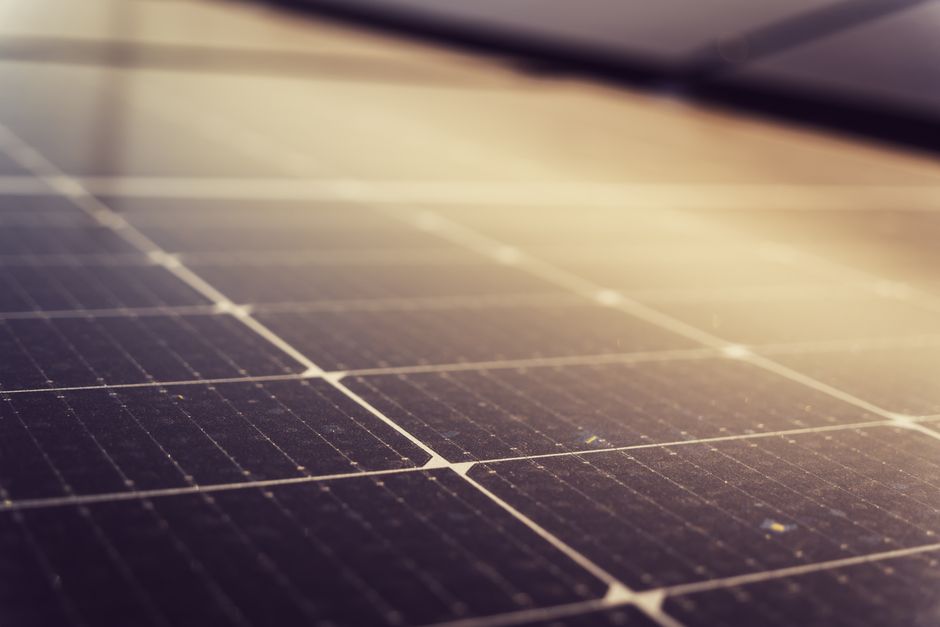
Soiling is technically separate from degradation, but accumulated dirt, bird droppings, and pollen reduce output in ways that compound with real cell degradation. A dirty panel running inefficiently also runs slightly hotter. Keeping panels clean matters more in some climates than others; if you’re in a dusty or agricultural area and it hasn’t rained in six weeks, output can drop 5% to 10% from soiling alone. A decent solar panel cleaning kit (the site may earn a commission on that link) makes this a Saturday-morning job rather than a contractor call.
Shading and microinverter choice also interact with long-term performance. A system using string inverters with no module-level power electronics will see disproportionate production loss from even partial shading, and that loss looks like it’s getting worse over time as trees grow. It’s not degradation in the cell sense, but it shows up the same way on your monitoring dashboard.
Speaking of monitoring: if you don’t have a home energy monitor or aren’t regularly checking your inverter’s production data, you won’t notice degradation or real problems like a failed microinverter until your electric bill climbs. A device like the Emporia Vue (commission may apply) gives you real-time consumption and production data and makes year-over-year comparison straightforward.
Running the Math on Your Own System
If you want to check whether your system’s current output is within normal range, the math is simple. Take your system’s original rated capacity in watts, multiply by your local peak sun hours per day (NREL’s PVWatts tool gives you this by zip code), then adjust for your system’s efficiency factor (typically 80% to 85% for a well-installed system), and multiply by 365 to get an annual production estimate.
Then apply a degradation factor for how old the system is. After 10 years at 0.5% annual degradation, you’d expect output around 95% of the original estimate. After 25 years, around 88%. If your actual production is running 15% below original estimates in year 8, something other than normal degradation is happening. Could be a failed microinverter, could be a shading issue, could be panel damage. Worth investigating rather than assuming it’s just aging.
Sources
- Emporia Smart Outlet with Energy Monitoring
- solar panel cleaning kit
- Emporia Vue
- P3 Kill A Watt Electricity Usage Monitor
- Jackery SolarSaga 100W Solar Panel
Disclosure: As an Amazon Associate, we earn a small commission from qualifying purchases at no extra cost to you. We only recommend products that genuinely support the topics covered in this article.
- Renogy 200W Solar Starter Kit + 30A Charge Controller (~$169), Complete beginner solar kit, 200W monocrystalline panel, charge controller, and mounting hardware included.
- Renogy 2×100W Monocrystalline Solar Panels (~$99), Expandable 200W panel set from the most trusted DIY solar brand, used widely in off-grid and home backup systems.
- First-Time Home Buyer: The Complete Playbook (~$18), The #1 Amazon bestseller in homebuying, covers down payment strategies, mortgage pre-approval, and avoiding rookie mistakes.
Recommended Resources
Disclosure: As an Amazon Associate, we earn a small commission from qualifying purchases at no extra cost to you. We only recommend products that genuinely support the topics covered in this article.
- Renogy 200W Solar Starter Kit + 30A Charge Controller (~$169), Complete beginner solar kit, 200W monocrystalline panel, charge controller, and mounting hardware included.
- Renogy 2×100W Monocrystalline Solar Panels (~$99), Expandable 200W panel set from the most trusted DIY solar brand, used widely in off-grid and home backup systems.