 Stephanie Walsh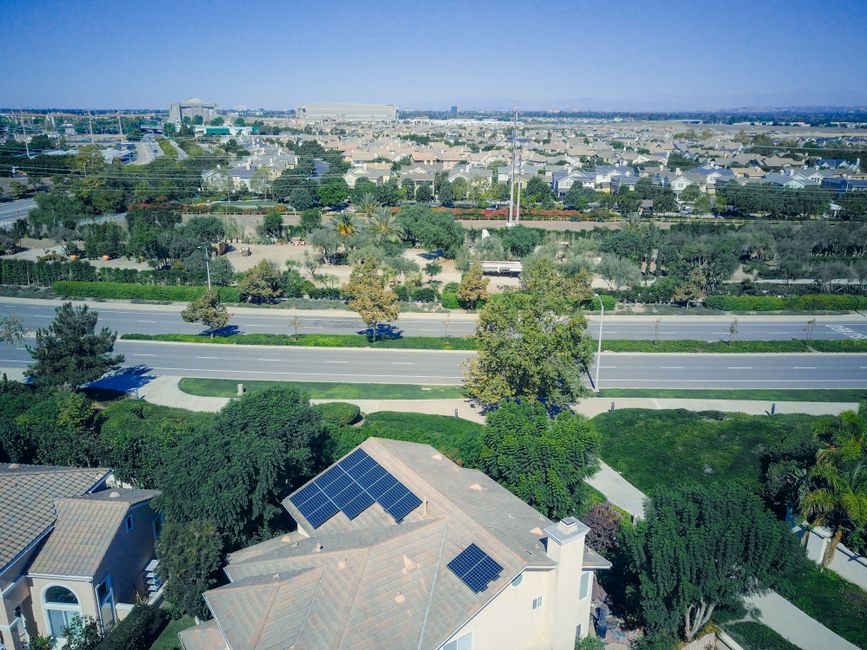
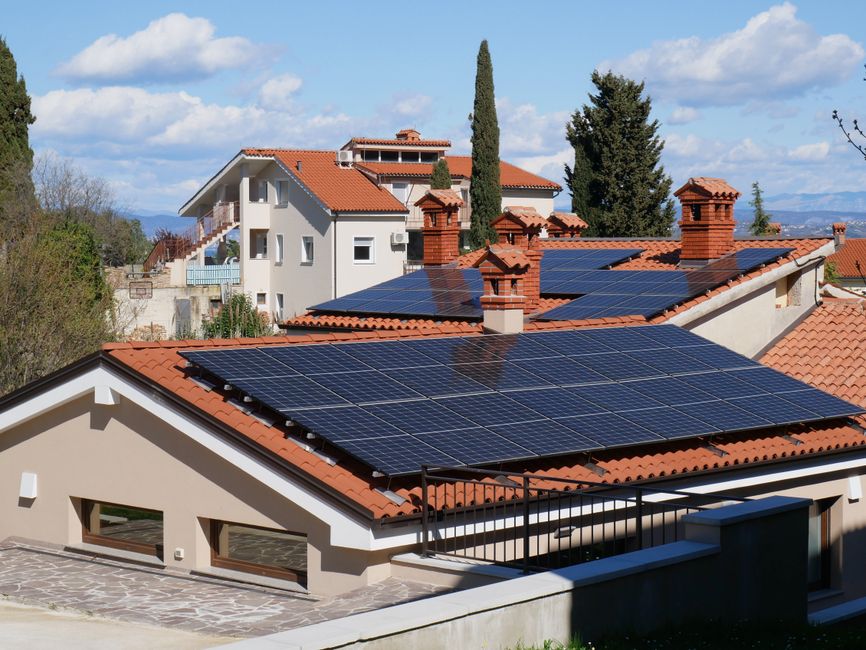
A homeowner in my neighborhood called me last week, genuinely frustrated. She’d spent six months getting quotes, finally landed on a system she liked, and then her contractor mentioned, almost as an aside, that the federal tax credit was gone. She thought he was confused. He wasn’t. The 30% Section 25D Residential Clean Energy Credit expired December 31, 2025, and unlike previous expirations that came with step-downs and extensions, this one ended clean. No phase-out. No grace period for buyers. If you’re shopping for solar right now, in July 2026, you’re doing it without a subsidy that’s existed in some form for nearly twenty years.
That changes the math. It also changes which questions you should be asking.
What the Credit Expiration Actually Costs You
Let’s put a real number on it. EnergySage’s current data (as of July 3, 2026) puts the national average installed cost at roughly $2.58 per watt, and a typical 12 kW system at $31,135 before any incentives. When the 30% federal credit was alive, that same system would have generated a tax credit of around $9,340, bringing your out-of-pocket cost down to roughly $21,795. That credit is gone now. You’re looking at the full $31,135, or close to it, depending on your state.
According to NuWatt Energy and TheGreenWatt, the loss of Section 25D adds roughly $7,000 to $9,000 to the net cost of a typical system compared to what buyers paid in 2024. That’s not a rounding error. That’s a used car. And panel prices aren’t dropping to compensate. The $2.58/W figure reflects a new elevated baseline that’s been holding, not falling.
The market is reacting exactly as you’d expect. SEIA’s Q2 2026 Market Insight Report forecasts an 18% drop in residential solar installations this year, and BloombergNEF projects the U.S. will add only 4.1 GW of residential solar in 2026, down 15% from 2025 and the lowest level in five years. When installs fall off a cliff, installers get desperate. I’ll come back to why that matters for your decision.
Was There a Last Exit Ramp? Yes, and It Just Closed.
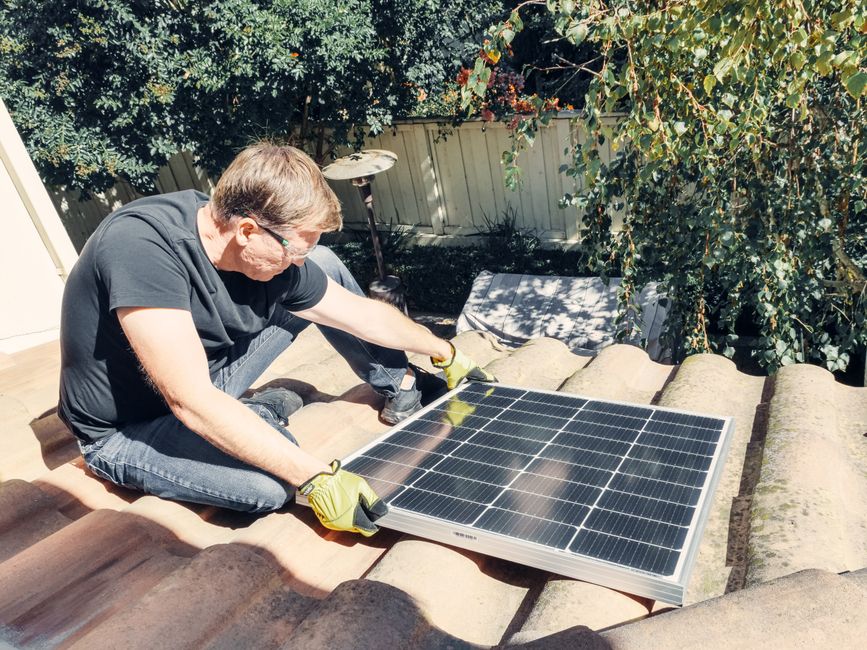
Helpful resource: Renogy 100W 12V Flexible Solar Panel is a top-rated option for this. (As an Amazon Associate this site earns from qualifying purchases.)
Some homeowners had one more option on the table: going through a lease or power purchase agreement (PPA) structured to capture the commercial Section 48E credit, which had different timing rules. Electrek reported on this back in June, and the short version is that the “safe harbor” deadline for that path was July 4, 2026. Projects begun before that date have until December 31, 2027 to be placed in service and still qualify for the 30% credit. After July 4, that path closes too.
If you signed a lease or PPA before Independence Day weekend, you might still be in play. If you’re reading this now and you haven’t, you’re not. Worth asking your installer about directly, but don’t let anyone pressure you with vague claims that they can still “lock in” a credit. Get the dates in writing, or walk away.
So Does the Math Still Work Without Federal Help?
Honestly? It depends where you live and how you finance it. Here’s a side-by-side comparison of what a 12 kW system actually looks like across a few different scenarios right now:
| Scenario | System Cost | Federal Credit | Net Cost | Est. Payback |
|---|---|---|---|---|
| 2024 buyer, 30% credit | $29,000 | $8,700 | $20,300 | 7–9 years |
| 2026 buyer, no credit, cash | $31,135 | $0 | $31,135 | 10–13 years |
| 2026 buyer, strong state incentive (e.g., NY) | $31,135 | $0 + ~$5,000 state | $26,135 | 8–11 years |
| 2026 buyer, loan at 7.9% APR | $31,135 | $0 | $45,000+ total | Breakeven unclear |
The loan scenario is where I see people get hurt. Solar lenders have been pushing 20-year terms with dealer fees baked in. What most people don’t realize is that the dealer fee, sometimes called a “doc fee,” can add 20 to 30% to the financed amount invisibly. You see a $31,000 system; the lender actually books $38,000 or more. If you’re financing, ask the installer point-blank: what is the dealer fee, and what is the total financed amount?
States with strong net metering and their own incentive programs still produce solid returns. New York, Massachusetts, Illinois, and New Jersey all have programs that partially fill the federal gap. If you’re in Texas or Florida with high utility rates and no state credit, your payback stretches out but still pencils on a cash purchase if your roof has another 20 years of life.
Installer Vetting Is Not Optional Right Now
I’ve been watching the installer market since 2023, and what’s happening is genuinely alarming. More than 100 U.S. solar companies have filed for bankruptcy or shut down since 2023, including Sunnova in 2025 and Freedom Forever in 2026, according to Solar Equity Solutions’ running tracker updated this month. When your installer goes under, your warranty goes with them. Your monitoring app stops working. Your permit paperwork can become a legal mess when you try to sell.
With residential installs dropping sharply, smaller shops especially are going to feel the squeeze. Some will cut corners on permitting to speed up jobs. Some will lowball to win contracts they can’t profitably complete.
What you should ask every installer before you sign anything:
- Are you the actual installing company, or a lead-gen broker who subs this out?
- Can you show me your contractor’s license number and proof of insurance?
- Who manufacturers the equipment, and who holds the product warranty?
- What happens to my system warranty if your company closes?
That last question will tell you a lot. A good installer can answer it. A lot of them can’t.
Where the Real Value Still Lives in 2026
Payback periods are longer now, full stop. But a 10 to 13-year payback on a system with a 25-year panel warranty and rising utility rates is still a reasonable investment, especially if you’re planning to stay in the house. The value proposition has shifted from “get the tax credit fast” to “lock in your electricity rate for two decades.” Utilities are not going to get cheaper.
Battery storage is where I’d focus the marginal dollar right now. Grid outages are up, utility rate volatility is real, and pairing storage with solar insulates you from both. Some states, California included, have specific incentive programs for storage that are still active and not tied to the expired federal credit.
The credit being gone doesn’t make solar a bad deal. It makes it a deal you have to model honestly, with real numbers, real installer vetting, and your eyes open about financing costs. The homeowners who get burned in 2026 will be the ones who rushed for a deadline that already passed, or signed with a company they didn’t check out because the price looked good. Take the time. Run the numbers for your specific utility rate, your state’s net metering policy, and your roof’s actual production potential. That homework is worth more than any subsidy ever was.
Sources
- SEIA Solar Market Insight Report Q2 2026 (June 2026)
- If you still want that 30% solar tax credit, the panic date is July 4 – Electrek (June 4, 2026)
- US Residential Solar Industry Faces Slump in 2026, BNEF Says – Bloomberg Law (June 2026)
- Solar Panel Cost In 2026 – EnergySage (July 3, 2026)
- Solar Company Bankruptcies 2026: Full List of Closures & Failures – Solar Equity Solutions (July 2026)
- Solar Panel Cost 2026: What It Really Costs Without the Federal Tax Credit – NuWatt Energy (February 2026)
Recommended Resources
Disclosure: As an Amazon Associate, we earn a small commission from qualifying purchases at no extra cost to you. We only recommend products that genuinely support the topics covered in this article.
- Renogy 200W Solar Starter Kit + 30A Charge Controller (~$169), Complete beginner solar kit, 200W monocrystalline panel, charge controller, and mounting hardware included.
- Renogy 2×100W Monocrystalline Solar Panels (~$99), Expandable 200W panel set from the most trusted DIY solar brand, used widely in off-grid and home backup systems.