 Stephanie Walsh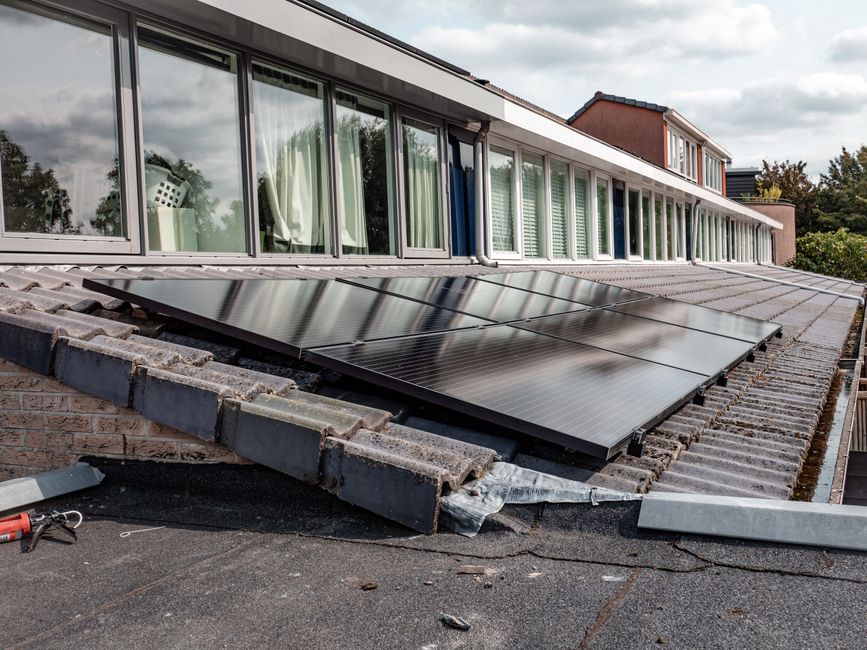
On July 28, 2026, the FCC quietly dropped one of the most significant regulatory moves in residential solar history: a complete ban on new foreign-made connected inverters receiving equipment authorization in the United States. No new model approvals. Effective immediately. If you’re a homeowner planning a solar install, a DIYer shopping for an off-grid system, or a contractor mid-proposal with a Growatt or EG4 in the spec sheet, this changes your calculus right now.
I’ll be honest, my first reaction was to assume this was narrower than it sounds. It isn’t. The FCC added foreign-produced connected power inverters to its Covered List on July 28, which means any brand hoping to bring a new inverter model to the U.S. market has to first open its entire supply chain and firmware architecture to federal auditors before getting authorization. For companies running lean product cycles and opaque offshore manufacturing, that’s not a paperwork hurdle. That’s a wall. As pv magazine USA reported on July 28, “grid lockout begins today” wasn’t hyperbole.
What surprised me was the timing relative to the evidence. The Reuters report in May 2025 flagged undocumented cellular radios inside some Chinese-made inverters, including one unit apparently switched off remotely from China. That’s alarming. But then the DOE ran a physical inspection of 30 Chinese inverters in January 2026 and found zero evidence of malicious hardware. Zero. So we’re in a strange policy position where the security concern is real enough to cite, but the physical evidence so far doesn’t confirm it. Electrek’s August 5 coverage noted this contradiction directly.
- The FCC ban (July 28, 2026) blocks new foreign inverter models from U.S. market authorization, not existing approved ones.
- Already-approved models like Hoymiles HMS series and APsystems microinverters remain fully legal to buy and install.
- Brands with fast product refresh cycles, including Growatt, EG4, Bluetti, and Renogy, face the most disruption going forward.
- A DOE inspection of 30 Chinese inverters in January 2026 found zero malicious hardware, despite the ban's security rationale.
- New foreign models need full supply chain and firmware audits before FCC authorization, a high bar for offshore manufacturers.
What’s Actually Banned (and What Isn’t)
The ban is prospective. That word matters enormously. Models that already hold FCC equipment authorization are legal. You can still buy them, install them, and have an inspector sign off on them. Hoymiles HiFlow Pro and HMS series units, APsystems microinverters, and other products already in the approval database aren’t going anywhere. A1 SolarStore’s July 30 breakdown was useful here: the issue is new model authorizations, not a recall of existing inventory.
Where it gets complicated is product refresh cycles. A brand like Growatt might release a new firmware variant or hardware revision and badge it as a “new model.” That new model now needs federal audit clearance before it can be sold in the U.S. The same applies to EG4, Bluetti, EcoFlow, Renogy, and Victron. These brands are heavily used in residential and DIY off-grid builds precisely because they offer capable hardware at aggressive price points. Their almost entirely offshore supply chains make the new audit requirement particularly painful.
The Brands Most Exposed Right Now
Helpful resource: Jackery Explorer 300 Portable Power Station is a top-rated option for this. (As an Amazon Associate this site earns from qualifying purchases.)
Here’s a practical look at where the most popular brands in the DIY and residential installer market stand given their supply chain positions:
| Brand | Primary Manufacturing | FCC Exposure Level | Notes |
|---|---|---|---|
| Hoymiles | China | Moderate | Existing models (HMS series) already authorized |
| APsystems | China | Moderate | Existing models authorized; new models face audit |
| Growatt | China | High | Short product cycles, offshore supply chain |
| EG4 | China | High | Popular with DIY off-grid; new models blocked |
| Bluetti | China | High | Fast product refresh makes audit burden severe |
| EcoFlow | China | High | Consumer-facing brand with frequent new SKUs |
| Renogy | China | High | Deep DIY market penetration, offshore supply |
| Victron | Netherlands | Lower | EU-based HQ but some manufacturing exposure |
| Enphase | USA | Low | Domestic design, existing strong FCC standing |
| SolarEdge | Israel | Low | Non-Chinese supply chain, lower regulatory risk |
Victron’s situation is worth a separate note. They’re headquartered in the Netherlands, which helps, but manufacturing and component sourcing still involve offshore dependencies. The European Commission’s April 2026 decision to restrict EU financing for energy projects using inverters from high-risk countries, including China, signals that this isn’t a purely American regulatory direction.
The Security Argument: How Strong Is It?
I went back and looked at this carefully because it matters for understanding where policy goes next. The May 2025 Reuters report described U.S. experts finding undocumented cellular radios in Chinese-made inverters, with one unit remotely switched off from China. If accurate, that’s a serious finding. The kind that justifies regulatory action.
But the January 2026 DOE inspection of 30 Chinese inverters returned clean. No malicious hardware found. The research here is genuinely mixed. That doesn’t mean the Reuters findings were wrong or that the risk is imaginary. It means we’re in early days of understanding the actual threat surface. What’s clear is that policymakers decided not to wait for a larger evidence base. The FCC’s moves against foreign drones in December 2025 and consumer routers in March 2026 follow the same pattern: act on credible threat signals before confirmation, tighten the authorization process, and force transparency through audit requirements.
Whether that’s prudent risk management or regulatory overreach probably depends on your political priors. As a working electrician turned installer, I care more about what it means practically for homeowners making purchasing decisions this month.
What Installers and DIYers Should Do Right Now
If you’re mid-project and have an already-authorized inverter on your spec sheet, you’re fine. Get your permit pulled, get your equipment ordered. Don’t assume that because a product is currently on a retailer’s shelf it will still be available six months from now, especially if it’s a newer model revision from a high-exposure brand.
If you’re in early planning, this is the moment to seriously look at domestically designed options. Enphase microinverters are the obvious residential choice if the budget allows. SolarEdge string inverters are another lower-risk option from a non-Chinese supply chain. Yes, both cost more than the budget alternatives. That premium is real. Whether it’s worth it depends on your timeline and risk tolerance for supply disruption mid-install.
For off-grid DIYers who’ve been leaning on EG4 or EcoFlow for battery-based systems: existing authorized models are still legal. Stock up on what you know works if you’re planning a build. But banking your design on a not-yet-released model from any of the high-exposure brands is a gamble right now.
The Stoel Rives legal analysis from July 2026 pointed out that project developers with pending procurement contracts need to review whether their inverter specifications create material compliance or supply risk. That same advice applies at the residential scale. Read your purchase agreements. Understand what happens if a product becomes unavailable.
This ban isn’t the end of affordable solar hardware in the U.S., but it is the end of frictionless access to whatever’s cheapest on the shelf. The market is reorienting. Quickly. The homeowners and installers who understand the new authorization rules right now will make better decisions than those who figure it out after a product stops shipping.
Sources
- FCC bans foreign-made connected solar inverters (August 5, 2026)
- FCC bans foreign-produced solar inverters (July 28, 2026)
- Trump admin bans ’new’ foreign-made inverters (Late July 2026)
- FCC Solar Inverter Ban 2026: What’s Still Legal to Install (July 30, 2026)
- The FCC Just Banned Foreign Inverters (Late July 2026)
- U.S. Restrictions on Foreign-Made Inverters: What Solar Buyers Should Know (July 2026)
Photo: Stefan de Vries via Pexels
Recommended Resources
Disclosure: As an Amazon Associate, we earn a small commission from qualifying purchases at no extra cost to you. We only recommend products that genuinely support the topics covered in this article.
- Renogy 200W Solar Starter Kit + 30A Charge Controller (~$169), Complete beginner solar kit, 200W monocrystalline panel, charge controller, and mounting hardware included.
- Renogy 2×100W Monocrystalline Solar Panels (~$99), Expandable 200W panel set from the most trusted DIY solar brand, used widely in off-grid and home backup systems.